
Understanding Saltwater Fly Fishing
What is Saltwater Fly Fishing?
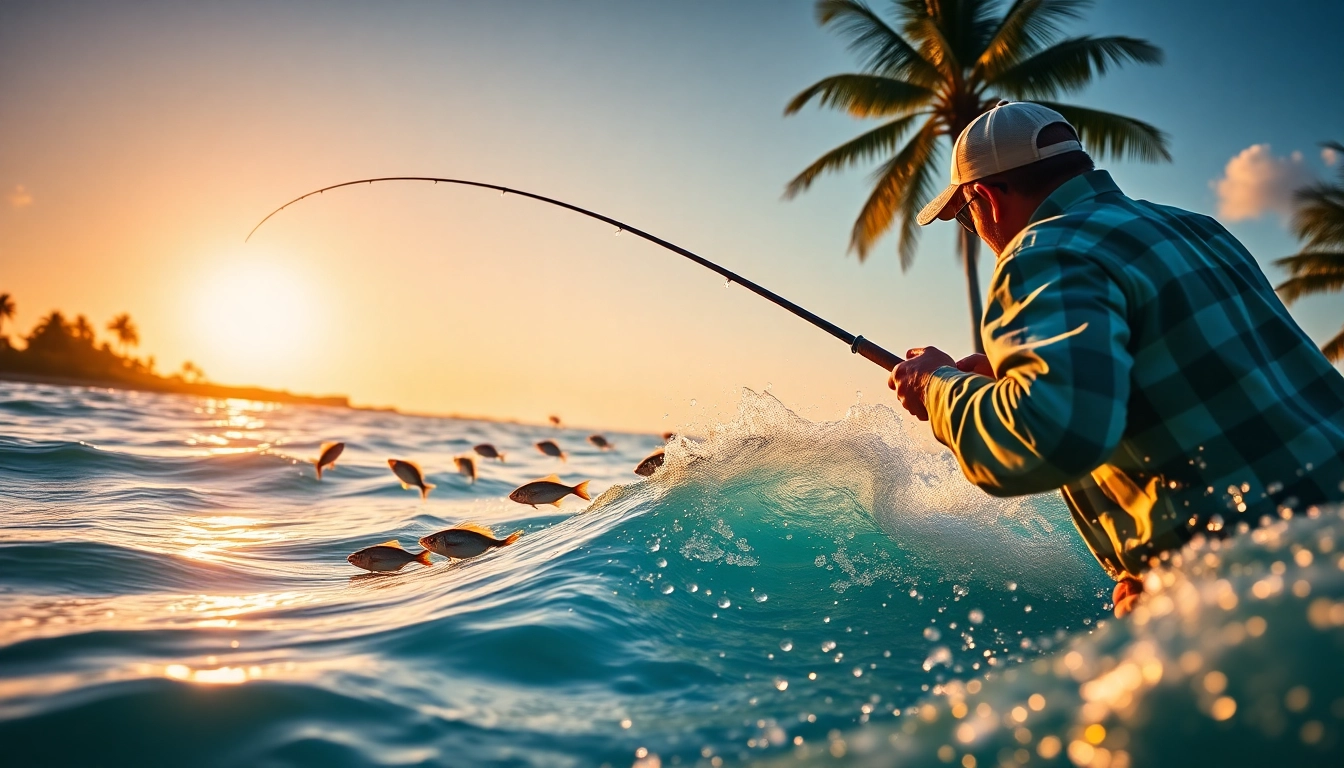
Saltwater fly fishing is an exhilarating method of fishing that combines the artistry of casting with the thrill of catching diverse saltwater species. It involves the use of a specialized fly rod and line to present artificial flies designed to mimic various prey found in marine environments. Anglers use these flies to lure fish by skillfully casting them into the water, often targeting shallows or structure where fish are known to feed. Unlike traditional spin casting, this technique emphasizes finesse, subtlety, and a deep understanding of ocean ecosystems, making it a rewarding pursuit for both beginners and seasoned anglers. If you’re ready to elevate your fishing experience, delve into Saltwater fly fishing and embrace the challenges and joys it offers.
The Benefits of Saltwater Fly Fishing
Engaging in saltwater fly fishing presents a plethora of benefits including:
- Diverse Species Targeting: Fly fishing opens opportunities to pursue various species such as tarpon, bonefish, and permit, each offering its unique challenges.
- Enhancing Skill Sets: It requires and enhances various skills including casting precision, depth perception, and strategic thinking as you learn to read tides and fish behavior.
- Connection with Nature: Fly fishing fosters a deep connection with nature as you often fish in visually stunning locations and interact with diverse marine life.
- Community & Camaraderie: The fly fishing community is vibrant and supportive, providing opportunities for anglers to share tips, experiences, and stories.
Common Species Targeted in Saltwater Fly Fishing
Within the realm of saltwater fly fishing, several species are favored for their fight, behavior, and accessibility. Some popular targets include:
- Bonefish: Known for their speed and elusiveness, bonefish are a premier target for many fly anglers.
- Tarpon: This “silver king” is celebrated for its aerial acrobatics and strength, making it a thrilling catch.
- Permit: Often deemed the “holy grail” of saltwater species due to their challenging nature.
- Snook: With their aggressive feeding habits, snook are a popular choice among both fly and conventional fishermen.
- Redfish: Commonly found in coastal estuaries and flats, redfish are accessible to both beginners and experienced anglers.
Essential Gear for Saltwater Fly Fishing
Choosing the Right Rod and Reel
When selecting gear for saltwater fly fishing, the right rod and reel are critical. Saltwater environments demand equipment that can withstand harsh conditions including corrosive salt and strong winds.
Typically, a medium to heavy action fly rod (8-10 weight) is recommended for targeting larger fish species. Additionally, a reel with a robust drag system and sealed components is essential to handle the powerful runs of saltwater fish.
Building Your Fly Collection
Your fly collection should reflect the diversity of saltwater prey. Essential patterns to include are:
- Clouser Minnows: Effective for many species, mimicking baitfish.
- Crab Flies: Ideal for species like permit that feed on crustaceans.
- Popper Flies: Great for exciting surface strikes from predatory fish.
- Puffers and Gurglers: These simulate wounded prey and can provoke aggressive takes.
Clothing and Accessories for Comfort
Comfort and protection are paramount when fly fishing in saltwater. Essential clothing and accessories should include:
- Quick-Dry Clothing: Helps regulate body temperature and keeps you comfortable during long days on the water.
- Sun Protection: Long-sleeved shirts, hats, and sunscreen protect against harmful UV rays.
- Footwear: Invest in appropriate fishing shoes or boots that provide traction and comfort.
Techniques for Effective Saltwater Fly Fishing
Casting Techniques for Saltwater Environments
Mastering casting techniques is vital for successful saltwater fly fishing. A few techniques include:
- Double Haul: Involves pulling the line for increased speed and distance, essential for longer casts in windy conditions.
- Roll Cast: Effective for tight quarters or when backcasting space is limited.
- Sidearm Cast: Useful when casting under overhead obstacles such as trees or dock structures.
Reading Tides and Weather Patterns
Understanding tides and weather patterns is crucial for effectively targeting fish. Key factors include:
- Tidal Phases: Fish are more active during moving water, so knowing high and low tides can enhance your chances.
- Weather Changes: Fish react to atmospheric changes, with overcast skies often prompting more active feeding behavior.
- Current Flow: Look for eddies or ripples in the current as these often indicate fish presence.
Strategies for Attracting Saltwater Fish
To successfully attract saltwater fish, anglers should employ various strategies including:
- Mimicking Prey: Using the right flies that resemble local forage will significantly improve your catch rate.
- Using Color Appropriately: Bright colors may work well on cloudy days, while natural tones often perform better in clear conditions.
- Retrieval Techniques: Experiment with different retrieval speeds and patterns to discover what triggers strikes.
Best Saltwater Fly Fishing Destinations
Top Locations in the United States
In the United States, several destinations offer prime opportunities for saltwater fly fishing:
- The Florida Keys: Known for its diverse species and beautiful flats.
- Outer Banks, North Carolina: Offers access to vast waters and various species.
- San Diego, California: Known for its year-round fishing and varied marine life.
International Saltwater Fly Fishing Hotspots
Globally, numerous locations are renowned for their saltwater fly fishing opportunities, including:
- Bahamas: A paradise for bonefish and tarpon, with numerous accessible flats.
- Belize: Offers stunning locations for flats fishing with ample opportunities to catch permit and tarpon.
- Australia: Known for its expansive fishing environments, including the Great Barrier Reef.
Planning a Saltwater Fly Fishing Trip
Successful trip planning involves considering various factors:
- Research Locations: Study weather patterns, optimal fishing seasons, and target species to determine your ideal destination.
- Hire Local Guides: Engaging a knowledgeable local guide can immensely boost your success and enjoyment.
- Review Gear Requirements: Checking local regulations and understanding gear requirements is essential for a smooth experience.
FAQs About Saltwater Fly Fishing
What fish can I catch while saltwater fly fishing?
Saltwater fly fishing allows you to target various species such as bonefish, tarpon, permit, snook, and redfish, each providing a unique challenge and experience.
Do I need special gear for saltwater fly fishing?
Yes, specialized gear such as a saltwater fly rod and reel, as well as corrosion-resistant flies, is required to withstand harsher saltwater environments.
What time of year is best for saltwater fly fishing?
While seasons can vary by location, generally spring and fall offer prime conditions due to fish migration and feeding frenzies, enhancing your chances of success.
Are there any beginner-friendly saltwater fly fishing spots?
Yes, locations such as the Florida Keys or coastal areas in Texas often offer calmer environments and abundant fish populations, making them ideal for beginners.
How do tides affect saltwater fly fishing?
Tides significantly influence fish behavior; moving water often encourages feeding activity, with many anglers preferring to fish around high and low tide transitions.