
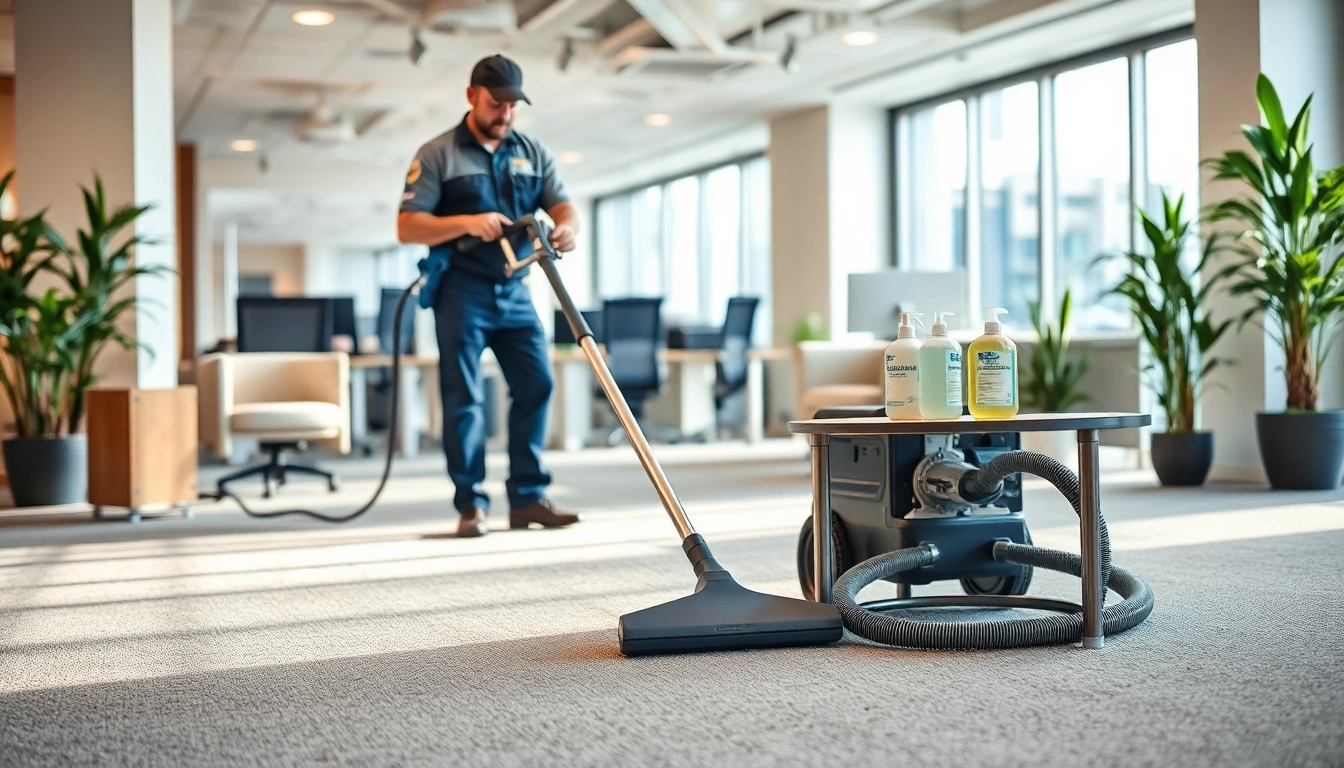
Understanding the Importance of Commercial Carpet Cleaning
In bustling commercial environments, carpeted floors can significantly impact both aesthetic appeal and workplace health. Regular maintenance and commercial carpet cleaning are essential to ensure that these areas remain inviting and hygienic. The condition of carpets can influence employee satisfaction and customer perceptions, making it imperative for businesses to prioritize this often-overlooked aspect of facility management.
Why Regular Cleaning Is Essential
Carpets in commercial spaces undergo constant wear and tear due to high foot traffic, spills, and accumulated dirt. A well-structured cleaning routine not only extends the life of carpeting but also maintains its appearance for longer. Regular cleaning reduces the buildup of allergens and pollutants, providing a safer environment for both employees and visitors.
Impact on Workplace Health
The health implications of dirty carpets are substantial. Carpets trap dust, allergens, bacteria, and other pollutants that can affect air quality. Regular cleaning, including deep cleaning methods, removes these harmful particles, contributing to a healthier workplace. Studies have shown that improving indoor air quality can lead to decreased absenteeism and increased employee productivity.
Enhancing Aesthetic Appeal
First impressions matter. Clean carpets enhance the overall aesthetic of a commercial space, contributing to a positive image. Well-maintained carpets convey professionalism and attention to detail, which can influence client perceptions and experiences. Ensuring routine cleaning can help uphold a company’s brand image and create a welcoming atmosphere for clients and employees alike.
Key Techniques for Commercial Carpet Cleaning
Deep Cleaning Methods Explained
Deep cleaning is crucial for removing embedded dirt and allergens. Techniques such as hot water extraction and shampooing are often employed. Hot water extraction applies heated water and cleaning solutions into the carpet fibers and extracts them with a powerful vacuum. This method is especially effective for settings with heavy soil and stains. Regular deep cleaning intervals should be scheduled, typically every 12-18 months, depending on traffic levels and carpet type.
Benefits of Steam Cleaning
Steam cleaning, a form of deep cleaning, helps to sanitize carpets without harsh chemicals. The hot steam effectively kills bacteria and allergens, providing an eco-friendly cleaning option. This method also aids in stain removal and restores the carpet’s original texture and appearance. As steam penetrates deeper, it loosens dirt from fibers, which is crucial for maintaining a carpet in a commercial setting.
Choosing the Right Equipment
Investing in quality cleaning equipment is vital for effective commercial carpet cleaning. Models designed for heavy-duty use, such as rotary extractors and powerful vacuums, can significantly reduce cleaning time and enhance results. It’s essential to match the equipment to the specific cleaning needs and carpet types to achieve the best outcomes. Regular maintenance of cleaning machines is equally important to retain their effectiveness.
Common Challenges in Commercial Carpet Cleaning
Stain Removal Obstacles
Stains from food, drinks, and industrial substances are common in commercial environments and can be incredibly challenging to remove. Prompt, targeted action is key to stain removal. Identifying the stain type allows the selection of appropriate cleaning agents. For best results, stubborn stains may require specialty products and techniques, and sometimes, professional intervention is the best approach.
Managing High Traffic Areas
High traffic areas, such as entryways and hallways, suffer the most wear and require more frequent cleaning. Using entrance mats can help minimize dirt transfer and prolong the life of the carpeting. Implementing a cleaning schedule that focuses on these areas, along with protective treatments, can mitigate damage and maintain a clean appearance.
Fabric-Specific Cleaning Needs
Different carpets require specific care based on materials and construction. Understanding these nuances is crucial for effective cleaning. For example, wool carpets often require more delicate handling compared to synthetic fibers that withstand more aggressive cleaning methods. Always refer to the manufacturer’s guidelines before proceeding with cleaning to avoid damaging the carpet.
Steps for Implementing a Cleaning Schedule
Creating a Custom Cleaning Plan
Establishing a customized cleaning plan involves assessing the specific needs of your facility. Factors like traffic patterns, type of carpeting, and environmental conditions should guide the schedule. A clear plan with defined roles and responsibilities will ensure that cleaning tasks are thorough and effective.
Training Staff on Basic Care
Training staff on proper carpet care techniques is essential for maintaining cleanliness between professional cleanings. Simple practices, such as timely spill cleanup and utilizing walk-off mats, can significantly reduce wear. Effective training empowers employees and improves the overall cleanliness of the workspace.
Monitoring and Adjusting the Schedule
Regularly assessing the effectiveness of your cleaning schedule is crucial. Gathering feedback about cleanliness, observing the condition of carpets, and adjusting the plan as necessary can lead to continual improvement. Flexibility in your cleaning approach ensures that it meets evolving needs and maintains carpet quality.
Measuring the Effectiveness of Carpet Cleaning
Evaluating Cleanliness Standards
Setting clear cleanliness standards allows for effective measurement of carpet maintenance effectiveness. Regular inspections and quality assessments should be conducted to ensure compliance with the established guidelines. Utilizing a checklist during inspections can make this process systematic and efficient.
Cost-Benefit Analysis
Conducting a cost-benefit analysis of carpet cleaning services can illustrate their value over time. Consider factors such as reduced replacement costs from regular maintenance, health benefits, employee productivity, and lasting impressions on clients. This comprehensive analysis supports the argument for investing in quality cleaning practices.
Feedback from Employees and Clients
Soliciting feedback from employees and clients about carpet conditions offers valuable insights. Surveys can help gauge perceptions of cleanliness and commercial aesthetics, hence guiding future improvements. Engaging stakeholders can also help maintain a high standard of cleanliness and satisfaction.
FAQs about Commercial Carpet Cleaning
How often should I clean carpets in a commercial space?
It’s generally recommended to deep clean commercial carpets every 12-18 months, but high traffic areas may need more frequent maintenance.
Can I clean carpets myself?
While basic cleaning can be performed, commercial-grade cleaning often requires specialized equipment and products for effective stain removal and sanitization.
What is the best method for stain removal?
The best method depends on the stain type. Prompt action combined with the right cleaning agent usually yields the best results.
How can I prevent carpet wear in high traffic areas?
Using entrance mats and scheduling frequent cleanings will help reduce dirt transfer and prolong the life of carpets in high traffic areas.
Is steam cleaning safe for carpets?
Yes, steam cleaning is safe for most carpets and effectively sanitizes them without harsh chemicals, making it an eco-friendly option.