
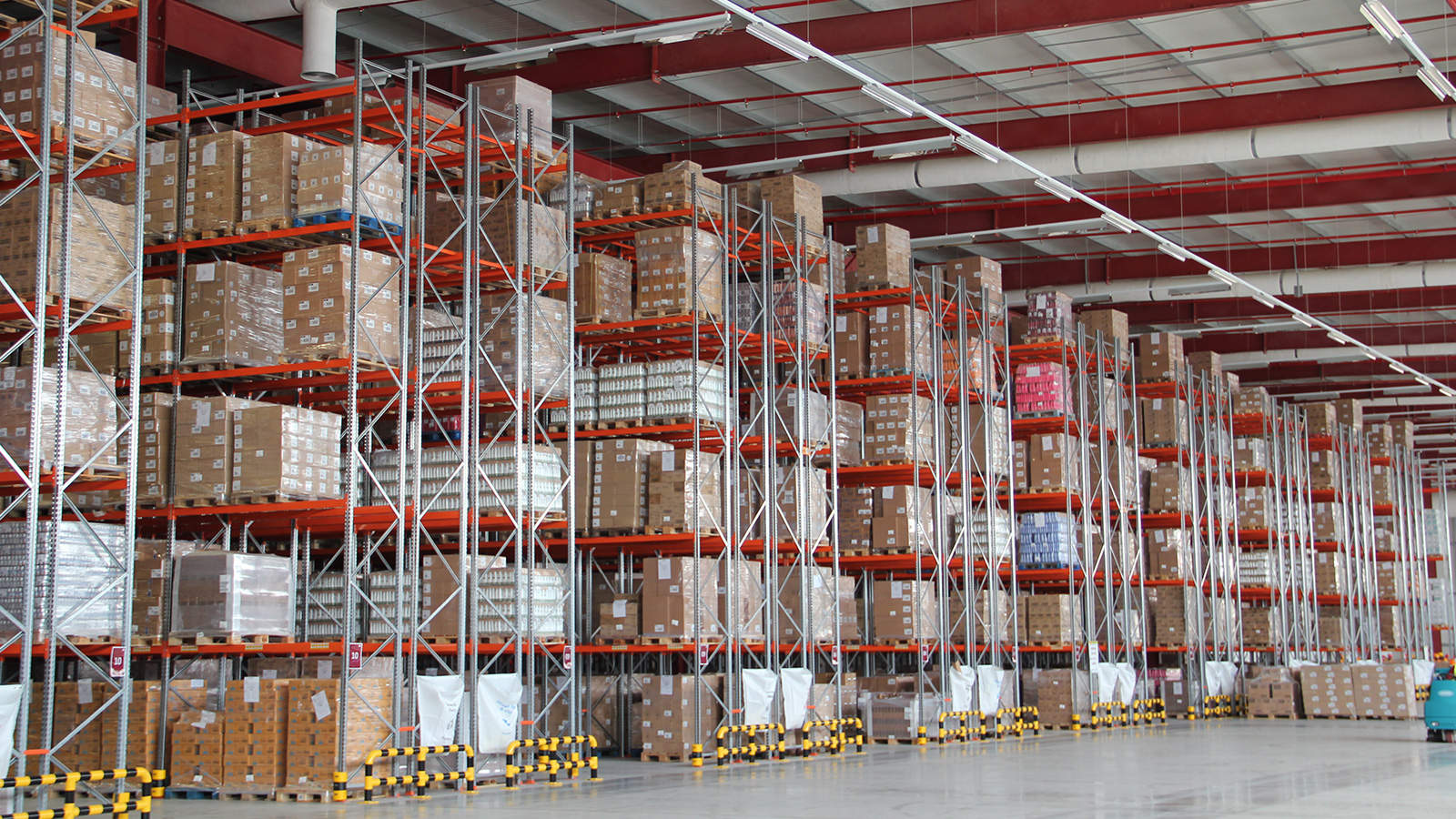
What is a Warehouse?
A warehouse serves as a critical structure in the supply chain, primarily designated for the storage of goods and products. It plays a pivotal role in logistics, allowing businesses to store items before they are shipped to stores, businesses, or consumers. By providing a controlled space for storage, warehouses help companies manage their inventory, optimize shipment efficiency, and potentially minimize costs.
Defining Warehouse Functions
The function of a warehouse extends far beyond mere storage. It acts as a hub within the supply chain, facilitating various crucial activities:
- Receiving: Incoming shipments are inspected and logged into inventory management systems.
- Storage: Goods are stored systematically, allowing for easy access and organization.
- Order Fulfillment: Upon receiving orders, warehouses prepare items for dispatch, ensuring timely delivery.
- Shipping: Outgoing shipments are managed, ensuring that products reach their intended destination efficiently.
These functions not only enhance the operational efficiency of businesses but also improve customer satisfaction by ensuring that products are available as needed.
Essential Warehouse Types
Warehouses can be categorized into several types based on their functions and designs:
- Distribution Centers: Focused on the fast-moving products, these centers prioritize quick shipment to retail locations or direct to consumers.
- Cold Storage Warehouses: Specializing in temperature-sensitive goods, such as food and pharmaceuticals, these warehouses maintain specific temperatures to preserve product integrity.
- Automated Warehouses: Utilizing advanced technologies such as robotics, these facilities streamline the storage and retrieval processes to optimize efficiency.
- Value-Added Warehouses: These warehouses not only store products but also offer additional services like packaging, labeling, or assembly before dispatch.
Benefits of Efficient Warehouse Systems
Implementing efficient warehouse systems can lead to profound benefits.
- Improved Inventory Management: Accurate tracking ensures that stock levels are maintained, thus preventing overstocking or stockouts.
- Cost Reduction: Efficient systems reduce operational costs associated with labor, time, and storage.
- Enhanced Customer Service: With faster and more accurate fulfillment, customers experience better service, leading to repeat business.
The Role of Technology in Warehousing
In the modern warehousing environment, technology plays a foundational role. The integration of advanced technologies into warehouse operations has been transformative, offering sophisticated tools to enhance efficiency and productivity.
Warehouse Management Systems Explained
A Warehouse Management System (WMS) is essential for automating and optimizing warehousing processes. Key functionalities of a WMS include:
- Inventory Tracking: Real-time visibility helps managers monitor stock levels and product locations.
- Order Management: Facilitating the efficient processing of orders, from receipt to dispatch.
- Reporting and Analytics: Providing data on warehouse performance and inventory turnover, which helps in strategic planning.
Automation Tools for Modern Warehouses
Automation is revolutionizing warehouse operations. Various tools and technologies are being utilized, such as:
- Conveyor Systems: Facilitate quick movement of items across vast warehouse spaces.
- Robotics: Robots can perform tasks such as picking, packing, and sorting, significantly enhancing efficiency.
- Drones: Used for inventory management and stocktaking, drones can quickly scan barcodes to update inventory data.
Data Analytics in Warehouse Operations
Data analytics plays a crucial role in optimizing warehouse operations. By analyzing historical data, businesses can forecast demand, manage inventory levels, and enhance order fulfillment processes. Effective data utilization helps companies adapt to market trends and customer preferences, making data-driven decisions critical in a competitive landscape.
Best Practices for Warehouse Safety
Ensuring safety in warehouse environments is paramount to protecting staff and assets. Adhering to best practices can mitigate risks and prevent accidents.
Training and Compliance Measures
Regular safety training sessions equip employees with the knowledge to operate machinery safely and recognize potential hazards. Compliance with safety regulations not only fosters a secure workplace but also helps avoid legal repercussions.
Ergonomics in the Warehouse Environment
Implementing ergonomic standards in warehouse design and work processes can lead to improved employee well-being and productivity. Adjustable workstations, proper lifting techniques, and ergonomic tools can minimize the risk of injuries caused by repetitive strains or improper posture.
Emergency Preparedness Strategies
Every warehouse should have an emergency action plan. This includes training for evacuation procedures, providing access to first aid kits, and conducting regular fire drills. By preparing staff for emergencies, warehouses can significantly reduce their response times and ensure employee safety.
Streamlining Warehouse Logistics
The efficiency of warehouse logistics directly impacts overall supply chain performance. Streamlining processes leads to reduced costs and improved service levels.
Inventory Management Techniques
Several strategies exist for effective inventory management:
- Just-in-Time (JIT): Minimizing inventory levels to reduce carrying costs, aligning stock availability directly with production schedules.
- First-In-First-Out (FIFO): Ensuring older inventory is used first minimizes spoilage, particularly in industries like food and pharmaceuticals.
- Cycle Counting: A systematic examination of a portion of inventory to ensure accuracy without disrupting operations.
Transportation and Distribution Management
Effective transportation management involves planning and executing the movement of goods. Key components include route optimization, carrier selection, and load planning.
By utilizing transportation management systems (TMS), businesses can achieve efficient distribution and ensure timely deliveries while reducing costs.
Supply Chain Coordination
Effective warehouse logistics relies on superior coordination with suppliers and distributors. Regular communication, aligned objectives, and shared data can enhance supply chain transparency and resilience, ultimately leading to improved performance.
Measuring Warehouse Performance
Measuring performance is essential for continuous improvement and operational excellence in warehousing. Various metrics can guide managers in decision-making.
Key Performance Indicators (KPIs)
KPIs provide measurable values that illustrate how effectively an organization is achieving its business objectives. Relevant KPIs for warehousing may include:
- Inventory Turnover Rate: Indicates how often inventory is sold and replaced over a specific period.
- Order Picking Accuracy: Measures the accuracy of order fulfillment, crucial for customer satisfaction.
- Storage Space Utilization: A metric of how efficiently warehouse space is being used, determining if additional storage is needed.
Regular Assessment and Continuous Improvement
To foster ongoing success, warehouses must regularly review processes, gather feedback, and implement improvements. Continuous feedback loops can highlight areas requiring rearrangement or process optimization.
Real-World Case Studies of Successful Warehousing
Analyzing real-world examples provides insights into effective strategies:
- Amazon: With their highly automated systems and advanced WMS, Amazon has enhanced order fulfillment speed and accuracy, setting a standard for the industry.
- Walmart: The use of data analytics in inventory management allows Walmart to efficiently balance stock levels, reduce costs, and respond rapidly to consumer demand.
- Zappos: Their commitment to customer satisfaction is reflected in their investment in a well-designed warehouse layout that prioritizes order fulfillment efficiency.