
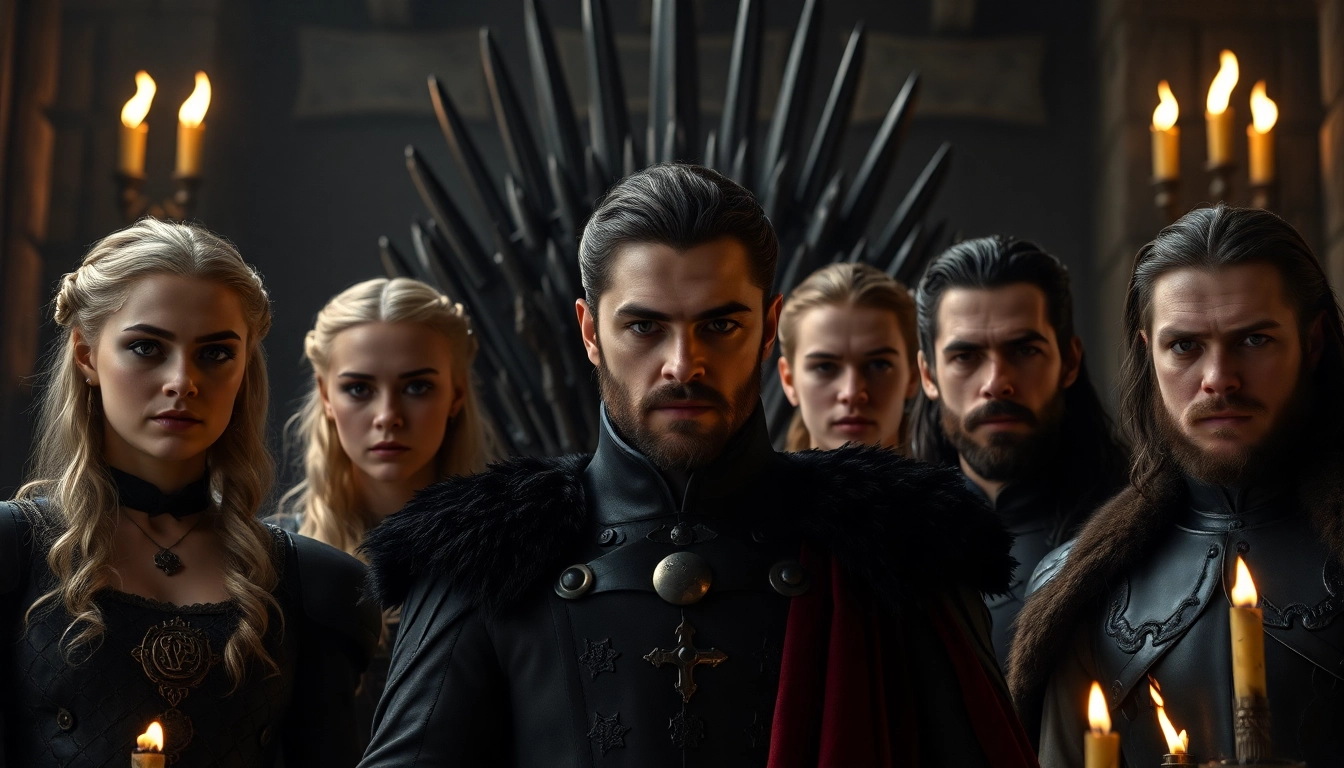
Unraveling the Magic of the Game of Thrones Cast
The intricate web of characters in the hit series Game of Thrones has captivated audiences across the globe, making it one of the most discussed television phenomena of the past decade. From the fabled lands of Westeros to the burning pyres of Daenerys Targaryen’s dragons, the performances of the game of thrones cast brought George R.R. Martin’s tales to life in unforgettable ways. In this article, we delve into the depth of the cast, their iconic performances, and the legacy they left behind.
Overview of Main Characters
Central to the allure of Game of Thrones are its complex characters, each imbued with rich backstories and morally ambiguous motivations. From the fierce determination of Daenerys Targaryen to the cunning intelligence of Tyrion Lannister, the show invites viewers to explore a vast array of personalities that evolve throughout the series. With every twist and turn in the plot, these characters react in unpredictable ways, keeping audiences on the edge of their seats.
Iconic Performances That Defined the Series
Many performances in Game of Thrones have become iconic, with actors bringing depth and authenticity to their roles. Emilia Clarke’s portrayal of Daenerys Targaryen stands out as she evolved from a timid girl into a powerful leader. Clarke’s emotional range and physical dedication to her role—which included learning how to speak the fictional Dothraki language—display her commitment to authenticity.
Likewise, Peter Dinklage’s Tyrion Lannister provided a perfect blend of wit and wisdom, often serving as the audience’s voice. His clever manipulation through politics and infectious humor won him critical acclaim, epitomizing what it means to be both a hero and an anti-hero in a world full of treachery.
Significance of Casting Choices
The casting choices for Game of Thrones were pivotal. The directors and producers sought actors capable of embodying their characters both physically and emotionally, ensuring that the considerable legacy of the source material was honored. The harmony of the cast, comprised of veterans and newcomers, enabled a dynamic interplay of performances that is rare in television.
Moreover, the way the creators juxtaposed characters from various backgrounds enhanced the story’s complexity. For example, as Arya Stark transitioned from a young noblewoman to a vengeful assassin, Maisie Williams’ transformation resonated powerfully with fans, symbolizing the loss of innocence amidst the brutality of the Seven Kingdoms.
The Leading Characters of Game of Thrones Cast
Daenerys Targaryen: The Mother of Dragons
Daenerys Targaryen, played by Emilia Clarke, is one of the most compelling characters in Game of Thrones. From her first appearance as a pawn in her brother’s quest for power to becoming a formidable leader, her journey is marked by resilience and ambition. Daenerys symbolizes the struggle for liberation, often igniting the fires of both hatred and adoration in her quest to reclaim the Iron Throne.
Her command over dragons and the portrayal of her as a ruler who is willing to burn cities to achieve her goals raises moral questions, creating a rich field for character study. This complexity elevates her character beyond mere heroism, reflecting the overarching theme of power’s corruptive influence.
Tyrion Lannister: The Witty Strategist
Peter Dinklage’s brilliant performance as Tyrion Lannister highlights the character’s sharp intellect and depth of emotion. Often underestimated due to his stature and family background, Tyrion embodies the struggle of being an outsider in a world governed by physical prowess and nobility. His quick wit and clever strategies showcase how intelligence can be as powerful as brute strength in the political battlefield of Westeros.
Tyrion’s transformations throughout the series—from being a mocking outsider to a pivotal figure in the survival and control of Westeros—capture the essence of personal growth against societal constraints. His character challenges viewers to rethink the nature of power and support within a complex social hierarchy.
Jon Snow: The Reluctant Hero
As Jon Snow, Kit Harington introduces one of the show’s most iconic portrayals of a reluctant hero. Initially presented as the illegitimate son of Eddard Stark, Jon’s journey from the Night’s Watch to his eventual leadership highlights themes of honor, identity, and sacrifice.
His moral compass is constantly tested, leading audiences to sympathize with his struggles between duty and personal desire. Harington encapsulates Jon’s internal conflicts with a raw sincerity, making him a relatable figure amidst the convoluted politics and betrayals of the series.
Supporting Characters and Their Arcs
Cersei Lannister: The Ambitious Queen
Lena Headey’s breathtaking portrayal of Cersei Lannister introduces one of the most complex antagonists in television history. From her cunning manipulations to her fierce maternal instincts, Cersei embodies the extremes of ambition and desperation. Her desire for power and legacy often leads to catastrophic decisions, illustrating how ambition can spiral into tyranny.
The layers of Cersei’s character reveal the vulnerabilities behind her cold demeanor, painting a portrait of a woman who has endured personal losses and societal challenges. Cersei’s drive for power is not just for herself, but also in service of her children, showcasing a depth that tugs at the audience’s empathy despite her ruthless actions.
Arya Stark: The Journey of Vengeance
Arya Stark, brought to life by Maisie Williams, is another standout character whose journey of vengeance is both heartbreaking and empowering. Escaping the limitations of her noble birth, Arya’s transformation from a young girl into a skilled assassin is artistically portrayed, highlighting themes of survival, identity, and vengeance.
Her adventures through various lands, coupled with her relentless pursuit of justice for her family, resonate strongly with audiences, especially young women who see reflections of their own struggles for autonomy and recognition in her character arc.
Bran Stark: A Journey Beyond Human
Bran Stark’s character arc introduces a supernatural element to the show, portrayed by Isaac Hempstead Wright. His journey from a paralyzed boy to the all-seeing Three-Eyed Raven presents a striking exploration of destiny and responsibility. Bran’s character challenges conventional perceptions of time and agency while revealing the larger forces at play within the universe of Westeros.
Beyond his role as a mystical being, Bran grapples with the isolation that comes from his powers, marking a poignant commentary on the sacrifices made for knowledge and foresight. His development is essential in understanding the deeper lore and moral quandaries present in Game of Thrones.
Behind the Scenes of Game of Thrones Cast
Audition Stories and Casting Decisions
The casting process of Game of Thrones was both rigorous and insightful. Many actors faced intense auditions, with some memorable stories emerging from the process. For instance, Nikolaj Coster-Waldau’s audition for Jaime Lannister was marked by his unexpected chemistry with other actors, leading to a casting decision that would set the standard for character dynamics throughout the show.
The showrunners often favored performances that conveyed emotional depth over traditional heroics, believing that the essence of the characters was best expressed through vulnerability—an essential component for the ensemble’s success.
Character Development Through Seasons
Character evolution was a hallmark of the series, crafted through dedicated writing and performance choices. As alliances shifted and power dynamics changed, so too did the inner workings of the characters. The development of Tyrion Lannister through his trials and tribulations highlighted a nuanced understanding of personal strength and resilience, while Daenerys showcased the perilous side of ambition and power.
Commentary from actors and creators alike emphasized their mutual commitment to portraying characters who grow and adapt in the face of adversity. This dedication to authenticity ensured audiences remained invested, often drawn into the emotional journeys of their favorite characters.
Impact of Real-Life Experiences on Performances
The actors frequently drew upon personal experiences to enhance their portrayals. For example, Emilia Clarke’s challenges during the series, including her health battles, gave her an authentic perspective on Daenerys’s own trials. Many actors formed deep bonds with their characters, allowing them to inject realism into their performances that resonated with audiences.
This connection between actor and role not only amplifies the authenticity of the storytelling but also deepens the emotional impact, creating a shared experience with viewers who often find parallels with their own journeys.
The Legacy of the Game of Thrones Cast
How the Cast Influenced Popular Culture
The cultural impact of the game of thrones cast extends beyond the screen. The show sparked numerous discussions, memes, and references across various platforms, contributing to its notable significance in modern media. Each character has become a symbol representing distinct themes—power, loyalty, sacrifice—that continue to resonate.
The cast’s portrayal of moral ambiguity influenced other shows and films, altering narrative structures in power dynamics and character development. Their performances have set a benchmark for future storytelling in fantasy genres, showcasing the potential for profound character exploration within complex narratives.
Current Projects of Game of Thrones Alumni
With the conclusion of Game of Thrones, many cast members have engaged in diverse projects, from film roles to stage performances and new television series. Emilia Clarke continues to explore complex roles that challenge her range as an actress, while Peter Dinklage has taken on varied projects showcasing his talent in both drama and comedy.
As these actors venture beyond the confines of Westeros, they carry the influence and recognition garnered from their performances. Their collective legacy continues to thrive as they tackle new characters, promising audiences more unforgettable stories.
Revisiting the Series: What Fans Still Love
The enduring legacy of the game of thrones cast is evidenced by the show’s continued engagement from audiences. Fans often revisit the series to relive the intricate plots, character arcs, and, of course, the outstanding performances that brought the fantasy world to unerring life. Through fan conventions, discussions, and online communities, the series remains a point of connection, discussion, and exploration for many.
As viewers revisit the journey through Westeros, they not only re-experience the story but celebrate the talents of the cast who made it all possible. This enduring appreciation highlights the significance of the show’s impact on pop culture and the characterization that left an indelible mark.