Understanding Fly Fishing Rods
Fly fishing is an exhilarating sport that requires skill, patience, and the right equipment; at the heart of this experience lies the fly fishing rod. The best fly fishing rods are not just tools; they can drastically influence the outcome of your fishing trip. Understanding what constitutes a quality fly rod is essential for any angler, from beginner to seasoned pro.
The Basics of Fly Rod Construction
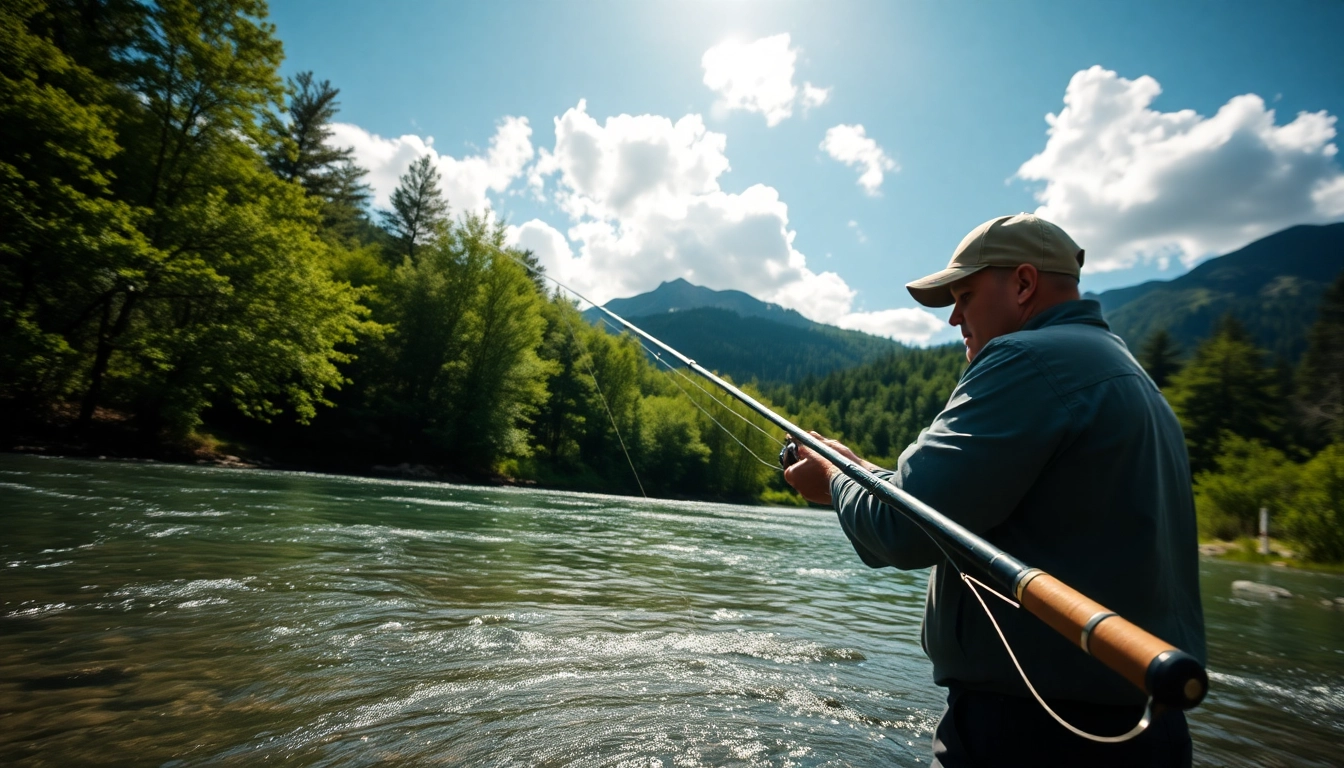
Fly rods are typically constructed from a blank, guides, a reel seat, and a grip. The blank, often made of lightweight materials, is the core component that gives the rod its action—how it bends under load—and its overall performance. Guides are circular loops attached to the rod that help to direct the fly line towards the reel. A good grip facilitates comfort during casting and retrieval.
Key Materials Used in Fly Rods
The materials used in fly rod construction have evolved over the years. Traditional rods were made from woods, like bamboo, while modern rods commonly use graphite or fiberglass. Graphite rods are popular due to their lightweight and flexible nature, allowing for better casting distance and accuracy. Fiberglass, while heavier, offers a slower action that can be more forgiving for beginners.
Different Lengths and Their Applications
Fly rods typically range from 6 to 10 feet in length. Shorter rods are ideal for small streams where precision is key, while longer rods are best suited for larger bodies of water allowing for longer casts. Understanding the right length for specific fishing situations can elevate your experience significantly.
Types of Fly Fishing Rods
Not all fly rods are created equal; they come in various types tailored to different skill levels and fishing conditions. Each type has its strengths suited for diverse fishing styles and species.
Best Fly Fishing Rods for Beginners
For beginners, the ideal rod should be easy to handle, forgiving, and versatile enough for various fishing situations. A medium-action rod of approximately 9 feet can effectively cast a wide array of flies. Popular options include the Orvis Clearwater Fly Rod and the Redington Crosswater, both known for their balance of quality and affordability.
Intermediate Options for Developing Anglers
As anglers gain experience, they often seek rods that provide more sensitivity and precision. Intermediate rods typically have a faster action that allows for better control over casting. Models such as the Hardy Zephrus or the G. Loomis NRX+ offer performance enhancements without breaking the bank, allowing for nuanced control over line and fly presentation.
High-End Rods for Expert Fishers
Expert anglers often look for high-end rods that deliver unmatched performance and sensitivity. These rods cater to specialized fishing techniques and conditions. The Sage X and Scott Radian are amongst the preferred choices for those who demand the utmost excellence in fly fishing gear. These rods utilize advanced materials and engineering for optimal performance in various conditions.
Choosing the Right Fly Fishing Rod
Selecting the right fly rod is crucial to achieving successful fishing experiences. Various factors come into play, each affecting your performance on the water.
Factors to Consider When Selecting a Rod
When choosing a fly rod, consider the species you are targeting, the type of water you'll fish in, and your personal preference for action and weight. Also, consider the fly lines you plan to use, as they need to match correctly with the rod for optimal casting and presentation.
Understanding Action and Power Ratings
Fly rod action refers to how much the rod bends when pressure is applied. Fast-action rods bend primarily at the tip, offering speed and distance, while slow-action rods bend throughout their length, providing more control. Power ratings correspond to the rod's strength and capability in handling different fish sizes. A lightweight rod is suitable for smaller trout, while heavier rods are necessary for larger species like salmon or bass.
Matching Rods with Fishing Conditions
Different fishing conditions demand different rods. A longer rod may be necessary for casting in larger rivers or open lakes, while shorter rods work well in confined spaces such as streams and creeks. Weather conditions, such as wind, also play a significant role in determining the action and length of the rod most suitable for your fishing trip.
Caring for Your Fly Fishing Rod
Proper maintenance of your fly rod not only prolongs its lifespan but also enhances performance. A few simple tips can keep your rod in top condition.
Maintenance Tips to Extend Rod Life
After each fishing trip, wipe down your rod with a soft cloth to remove dirt, grime, and moisture. Store your rod in a protective tube and avoid exposing it to excessive heat or cold. Re-check guides and reel seats regularly for signs of wear, ensuring that every component functions smoothly.
Common Issues and How to Fix Them
Common problems often include broken guides or a loose reel seat. For guide repair, a simple replacement can usually be done with minimal equipment; however, if you lack the skills, it might be best to consult a professional. For a loose reel seat, some epoxy can strengthen it again, but again, consider professional help if unsure.
Storing Your Fly Rod Properly
When not in use, store your fly rod in a cool, dry place, ideally in its protective casing. Avoid leaning it against objects or placing weights on it, as these can cause warping or damage. Remember, investing time in proper storage can significantly increase the lifespan of your rod.
Top Brands for the Best Fly Fishing Rods
The fly fishing industry offers a plethora of brands known for their exceptional craftsmanship and performance. Understanding what makes these brands stand out can help you make an informed choice.
Leading Manufacturers Overview
Brands like Orvis, Sage, and G. Loomis have long been regarded as leaders in the fly fishing market. Orvis is celebrated for its customer service and variety; Sage focuses on technology in its rod design, offering high-performance rods with innovative materials. G. Loomis is known for its robust and sensitive rods that are particularly favored by serious anglers.
What to Look for in a Brand
When evaluating brands, consider their reputation, warranty conditions, and customer support. A solid warranty can offer peace of mind, ensuring you're covered for any manufacturer defects. Additionally, look for brands that have a community around them, often indicated by strong forums, social media presence, and user engagement.
User Reviews and Recommendations
Reading user reviews provides insight into real-world experiences with a particular rod. Look for consistent comments on performance, durability, and customer service. Platforms dedicated to outdoor activities often host discussions where anglers share their recommendations, aiding in making an informed purchase decision.