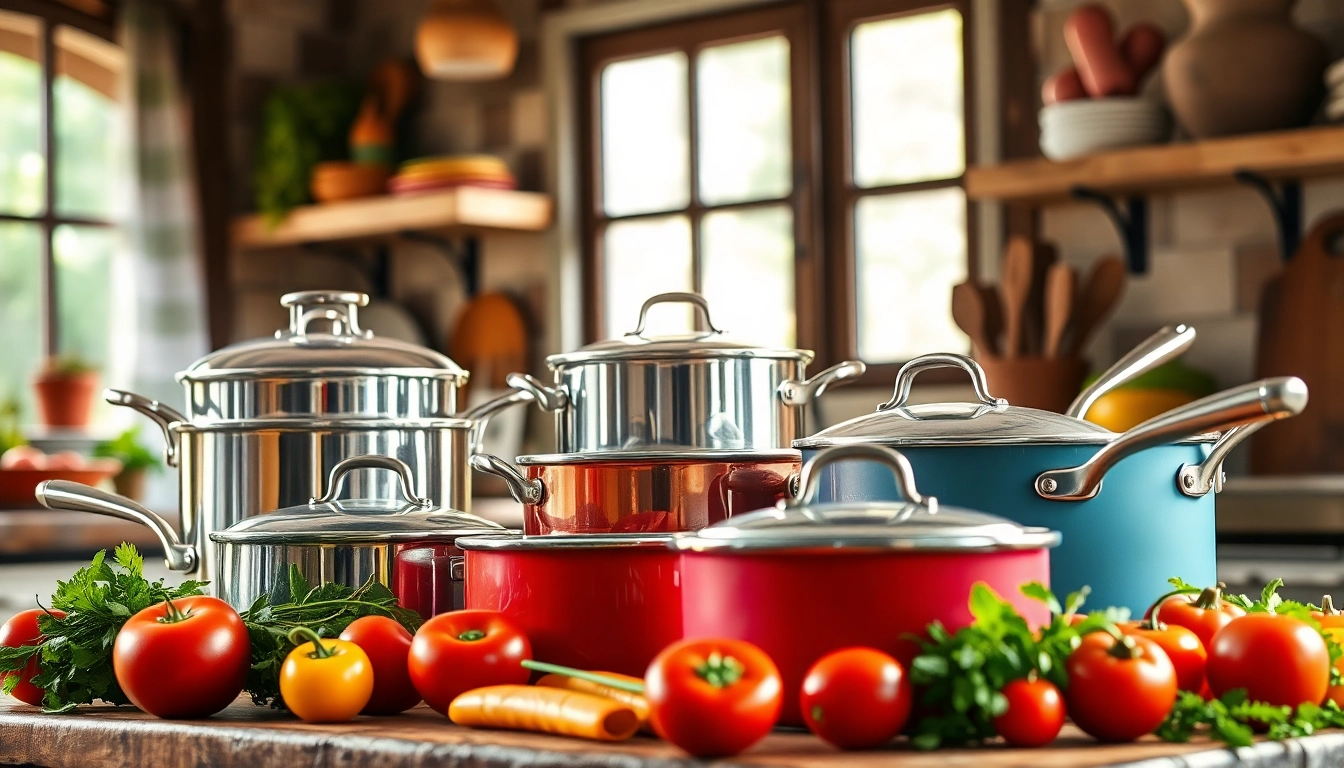
Understanding Cookware Variations
Cookware is a broad term that encompasses a variety of kitchen tools, each specially designed for specific cooking methods. From frying to baking, selecting the right cookware is essential for achieving optimal results in your culinary creations. With numerous options available, it’s important to understand the different types, materials, and styles of cookware to make informed choices. Familiarity with cookware variations not only enhances cooking efficiency but also elevates your overall culinary experience.
Types of Cookware Materials
The type of material used in cookware significantly influences cooking performance, heat retention, and flavor distribution. Here’s a breakdown of the most common cookware materials:
- Stainless Steel: Durable and non-reactive, stainless steel cookware is perfect for boiling, sautéing, and browning. It can withstand high heat and is dishwasher safe.
- Nonstick: Featuring a coating that prevents food from sticking, nonstick cookware is ideal for low-fat cooking. However, it may require extra care and should be used with non-metal utensils.
- Cast Iron: Known for superior heat retention, cast iron cookware is excellent for frying, baking, and slow cooking. It requires seasoning to maintain its non-stick properties and prevent rust.
- Copper: Copper cookware conducts heat exceptionally well, offering precise temperature control. However, it’s often lined with another metal to prevent reactions with certain foods.
- Carbon Steel: Similar to cast iron but lighter, carbon steel is favored for its ability to sear and fry. It’s crucial to season it properly for longevity.
Choosing Between Cookware Styles
When selecting cookware, you may also consider various styles designed for different cooking techniques:
- Pans: Frying pans, sauté pans, and saucepans are commonly used for tasks that involve direct heat. Their shape and size can significantly influence the cooking method.
- Stockpots: Designed for boiling large quantities of food or making stocks, stockpots boast tall sides and a wide base for even heat distribution.
- Baking Dishes: Specific materials like glass or ceramic are often used in baking dishes to promote even cooking and heat retention.
Factors to Consider When Selecting Cookware
Choosing cookware involves several considerations:
- Heat Source: Ensure your cookware is compatible with your stovetop or oven, especially if using induction or ceramic heating.
- Durability: The longevity of your cookware often depends on the material and your maintenance practices.
- Weight: Heavier cookware generally provides better heat retention, but it can be cumbersome to handle.
- Budget: Cookware is available across a wide price range, so it’s important to balance quality with affordability.
Best Practices for Maintaining Cookware
Proper maintenance of cookware can enhance its lifespan and performance. Here are some best practices to follow:
Cleaning and Care Techniques for Cookware
Different materials require specific cleaning methods:
- Stainless Steel: Use a non-abrasive cleaner and a soft cloth or sponge. For stubborn stains, a mixture of baking soda and water can be effective.
- Nonstick: Hand wash with mild soap and a soft sponge. Avoid metal utensils to prevent scratching.
- Cast Iron: Rinse with hot water and use a brush to remove food particles. Avoid soap, and dry immediately to prevent rust.
- Copper: Polish with a specialized copper cleaner to maintain its shine.
Storage Tips for Longevity of Cookware
Efficient storage practices not only free up space but also protect your cookware:
- Stack pans with paper towels in between to prevent scratches.
- Use pot racks or hooks for easy access and air circulation.
- Store lids separately to avoid potential damage to the nonstick coating.
Avoiding Common Mistakes with Cookware
Being aware of common pitfalls can enhance your cooking experience:
- Overheating nonstick pans can degrade the coating.
- Using metal utensils on nonstick surfaces should be avoided to prolong their life.
- Neglecting to season cast iron cookware can lead to rust.
Top Cookware Features and Characteristics
Cookware brands differ in terms of features and performance. Understanding these can aid in making well-informed choices:
Identifying Quality Cookware
Look for cookware that features:
- Even Heat Distribution: Quality cookware ensures uniform cooking by distributing heat evenly across the surface.
- Durability: Materials should withstand wear and tear, with good heat resistance.
- Ease of Use: Handles should be ergonomic, providing a comfortable grip during cooking.
Unique Features of Premium Cookware
High-end cookware may boast additional features such as:
- Oven Safety: Many premium pieces are oven-safe at high temperatures, allowing versatility.
- Non-reactive Surfaces: Essential for cooking acidic foods without imparting flavors.
- Lifetime Warranty: Many premium brands provide warranties, indicating confidence in their products.
Comparing Price Points of Cookware
Quality doesn’t always equate to high prices. Consider the following challenges when comparing price points:
- Budget undercuts may lead to a compromised cooking experience.
- Mid-range options often provide a balanced performance without the luxury price tag.
- Beware of deals that offer excessively low prices – it may signal poor durability.
Cookware for Specific Cooking Techniques
Not all cookware is suitable for every cooking method. Here is a look at essential cookware tailored for specific techniques:
Essentials for Baking and Roasting with Cookware
Baking requires cookware that can withstand high temperatures and ensure even cooking:
- Baking Sheets: Often made from aluminum or steel, they distribute heat effectively.
- Cake Pans: Nonstick versions can make for easy release and cleanup.
- Roasting Pans: Preferably made from solid materials like stainless steel for durability.
Using Cookware for Searing and Frying
When searing or frying, the right cookware can enhance the flavor and texture of dishes:
- Skillets: Choose heavy-bottomed skillets for better heat retention while frying.
- Woks: Ideal for high-heat cooking; they promote quick searing and stir-frying.
- Fry Pans: Nonstick surfaces help ensure easy food release while frying.
Specialized Cookware for Sauces and Soups
Cooking sauces and soups requires pots that can handle liquids efficiently:
- Sauce Pans: Look for tall, narrow pans designed to facilitate stirring and reduce evaporation rates.
- Stockpots: Essential for making broth or large batches of soup, offering vast capacity.
- Double Boiler: Useful for gently melting ingredients like chocolate over simmering water.
FAQs About Cookware
What is the best material for cookware?
Stainless steel is often recommended for its durability and non-reactive qualities, making it suitable for various cooking tasks.
How do I care for nonstick cookware?
Use soft utensils and hand wash with mild soap to prevent scratching the surface and prolong the lifespan of nonstick cookware.
Can I use metal utensils on my cookware?
It's generally best to avoid metal utensils if your cookware is nonstick or has a soft coating, as they can cause damage.
Why choose ceramic cookware?
Ceramic cookware offers excellent heat distribution and is often more environmentally friendly, making it a popular choice among home cooks.
How do I know if cookware is oven-safe?
Check the manufacturer's guidelines; most cookware designed for oven use will clearly indicate maximum temperature limits.