
Introduction
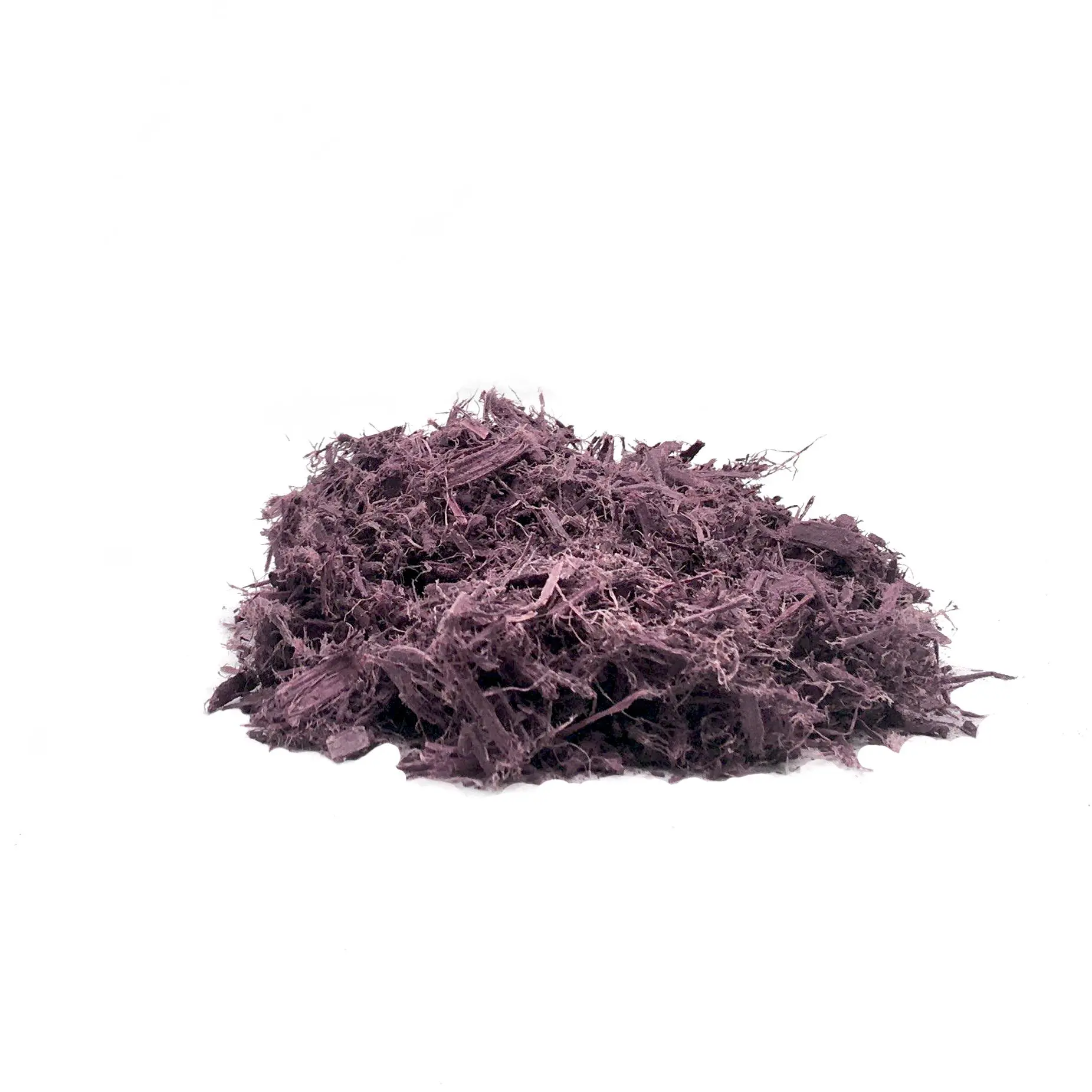
Among natural colorants, Logwood dye is renowned for producing some of the most dramatic purples and deepest blacks found in botanical dyeing. For artisans who crave moody, rich, and immersive tones, Logwood dye offers a powerful blend of history, versatility, and artistic depth. Whether you’re creating garments, fiber art, or eco-friendly craft pieces, Logwood dye delivers bold natural color that stands apart from all other plant dyes. Its unique ability to shift from soft violet to intense black makes it an essential tool for dyers seeking expressive, natural tones rooted in tradition and sustainability.
The History Behind Logwood Dye
For centuries, Logwood dye has held an important place in global dye traditions. Harvested from the heartwood of the Haematoxylum campechianum tree, this dye was once one of the most prized natural colorants for producing striking purples and dramatic blacks. In the 17th and 18th centuries, Logwood dye was so valuable that it played a significant role in international trade. Today, its botanical origins continue to inspire natural dyers who appreciate the blend of heritage and artistic potential that Logwood dye embodies.
Why Logwood Dye Is Perfect for Deep Natural Tones
Few plant-based dyes create such intense and multidimensional shades. The chemistry of Logwood dye allows it to bond strongly with natural fibers, resulting in colors that range from soft lavender to near-black. This makes Logwood dye ideal for projects that require depth and tonal strength.
Advantages of Logwood Dye
- Produces rich, deep purple hues
- Easily shifts to charcoal and black when modified with iron
- Works beautifully on wool, silk, cotton, and linen
- Offers a renewable, eco-friendly alternative to synthetic dark dyes
- Allows for extensive variation through modifiers and layering
These qualities make Logwood dye a top choice for makers seeking dramatic natural colors.
Preparing Textiles for Logwood Dye
To get the boldest results, proper preparation of the fibers is essential. Natural materials absorb the pigments in Logwood dye best when thoroughly cleaned and mordanted.
Best Fabrics for Logwood Dye
- Wool: Accepts Logwood dye deeply, giving strong purples and blacks
- Silk: Reflects the dye’s natural brilliance with stunning shine
- Cotton: Takes on cooler, smoky tones from Logwood dye
- Linen: Bonds beautifully with the dye for long-lasting color
A well-prepared fabric ensures the full beauty of Logwood dye comes to life.
Dyeing Techniques for Deep Purples
To achieve intense purple tones, artisans usually simmer a concentrated bath of Logwood dye before immersing their fabric. Extended soaking results in deeper hues, while shorter dips create softer, lilac-inspired tones.
Methods for Purple Shades
Immersion Dyeing:A classic approach that allows fibers to absorb Logwood dye evenly for smooth, saturated color.
Layering:Applying multiple rounds of Logwood dye adds complexity and dimension to purple shades.
Mordant Variation:Using alum produces bright purples, while combining other mordants gently shifts the tone.
With thoughtful technique, Logwood dye offers endless purple possibilities.
Achieving Bold Natural Blacks with Logwood Dye
While purple is its most famous hue, Logwood dye is equally celebrated for its ability to produce dramatic black tones. When paired with iron, Logwood dye creates shadows, charcoal depths, and true botanical blacks.
Methods for Black Tones
- Iron Modification: Adding iron transforms Logwood dye into deep blue-black shades.
- Double Dyeing: Layering multiple Logwood dye and iron baths creates extreme depth.
- Slow Steeping: Longer immersion times help push the fibers toward richer blacks.
These techniques make Logwood dye one of the strongest plant-based black dyes available.
Care Tips for Logwood-Dyed Fabrics
To maintain vibrancy, fabrics colored with Logwood dye should be washed gently and stored properly. Natural dyes age gracefully, and with proper care, their beauty can last for years.
Simple Care Guidelines
- Use mild, pH-neutral soap
- Wash in cool water
- Avoid long periods of sun exposure
- Air dry whenever possible
- Store in shaded, cool spaces
These steps help preserve the depth and richness of Logwood dye.
Creative Uses for Deep Purples and Blacks
Artists use Logwood dye across a wide range of creative projects. Its moody tones are perfect for dramatic garments, textured yarns, wall hangings, and eco-inspired crafts.
Ideal Applications
- Hand-dyed shawls and scarves
- Artisan garments with botanical palettes
- Weaving and knitting fibers
- Quilting fabrics
- Textile art installations
- Eco-printed projects requiring dark contrast
Wherever dramatic color is needed, Logwood dye elevates the work with natural intensity.
Conclusion
Whether you seek velvety purples or profound, natural blacks, Logwood dye offers unmatched depth in the world of botanical color. Its rich pigments, long history, and eco-friendly qualities make it a standout choice for textile artists and natural dye enthusiasts. Explore the power of Logwood dye, experiment with its tonal variations, and discover how this extraordinary natural dye can transform your craft with deep, expressive color.