Understanding Custom Steel Fabrication
Definition and Importance of Custom Steel Fabrication
Custom steel fabrication refers to the process of creating steel structures and components tailored to specific requirements. This involves a range of techniques and operations, allowing companies to produce unique products that meet exact specifications. The importance of custom steel fabrication lies in its versatility and precision, which can greatly enhance the effectiveness of engineering projects across various sectors. As companies strive for innovation and efficiency, custom steel fabrication has emerged as a pivotal solution in designing and implementing bespoke structures, equipment, and machinery.
Key Processes in Custom Steel Fabrication
The custom steel fabrication process typically encompasses several key stages:
- Design Planning: This initial phase focuses on creating detailed specifications and drawings using CAD (Computer-Aided Design) software. Accurate designs are crucial for ensuring the final product meets all functionality and aesthetic requirements.
- Material Selection: Choosing the right type of steel and additional materials is vital. Fabricators consider factors such as strength, weight, corrosion resistance, and cost when selecting materials.
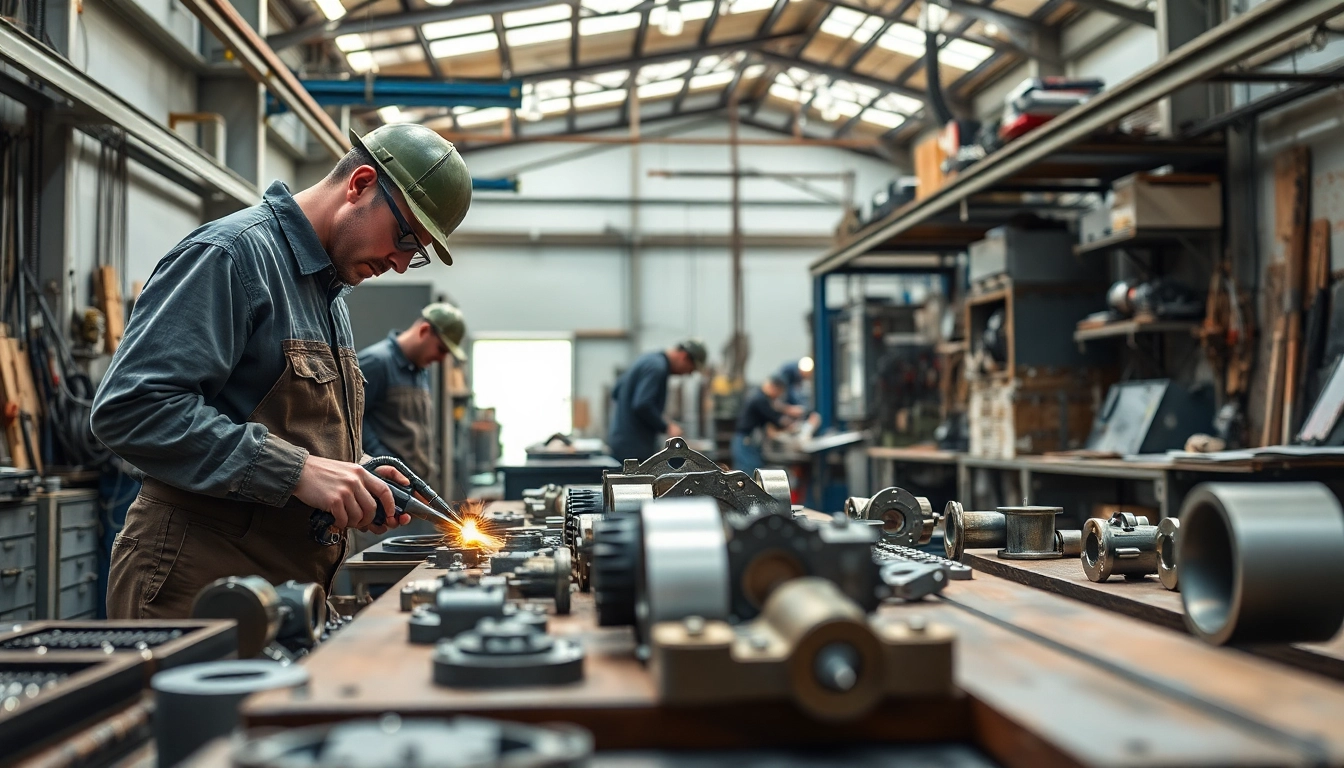
- Manufacturing: This phase involves the actual fabrication of steel components. Techniques such as cutting, bending, welding, and machining come into play to transform raw materials into finished products.
- Finishing: After fabrication, components may require surface treatment or finishing processes, like painting or coating, to enhance durability and appearance.
- Quality Control: Finally, quality inspections ensure that all fabricated components meet industry standards and client expectations prior to delivery.
Applications of Custom Steel Fabrication
Custom steel fabrication serves a myriad of applications across diverse industries. These include:
- Construction: Beams, support structures, and framework for buildings.
- Aerospace: Specialized components for aircraft manufacturing.
- Automotive: Custom parts for machinery and vehicle frames.
- Energy Sector: Production of equipment such as wind turbine towers and structural supports.
- Manufacturing: Custom machinery and fabrication tools to enhance production capabilities.
Benefits of Custom Steel Fabrication Solutions
Cost Efficiency and Resource Management
One of the most significant benefits of custom steel fabrication is its potential for cost efficiency. By tailoring products to specific needs, businesses can reduce waste and optimize material usage. This approach not only minimizes expenses related to excess materials but also reduces production time, which translates to lower labor costs. Consequently, investing in custom steel fabrication may yield significant long-term savings and resource management improvements.
Enhanced Design Flexibility
Custom steel fabrication allows for enhanced design flexibility, as projects can be adapted to accommodate unique specifications or unexpected changes. This capability is particularly important in industries where standards and needs rapidly evolve. By leveraging advanced technologies and processes, designers can create innovative solutions that maintain structural integrity while meeting aesthetic and functional demands.
Improved Product Integrity
The bespoke nature of custom steel fabrication often results in improved product integrity. Precision in the manufacturing process ensures that components fit together seamlessly, leading to greater stability and reliability. Additionally, using high-quality materials and advanced techniques reduces the risk of structural failure, which is critical in high-stakes environments such as construction and aerospace.
Challenges in Custom Steel Fabrication
Common Obstacles Faced by Fabricators
While custom steel fabrication presents numerous benefits, it is not without challenges. Some common obstacles include:
- Unforeseen Design Changes: Last-minute alterations can disrupt workflows and increase costs if not managed properly.
- Material Shortages: Fluctuations in steel availability can impact timelines and project costs.
- Skilled Labor Shortage: Finding qualified professionals to perform specialized tasks can also present a significant barrier.
Safety Concerns in Custom Steel Fabrication
Safety is paramount in steel fabrication environments, where risks of accidents and injuries can be prevalent. Fabricators must adhere to stringent safety protocols to protect workers. This includes regular safety training, the use of personal protective equipment (PPE), and maintaining a clean and organized work environment. Additionally, awareness of potential hazards such as heavy machinery or hazardous materials is essential.
Managing Quality Control
Ensuring consistent quality control throughout the fabrication process is vital to the success of projects. Ineffective quality management can lead to defects, project delays, and costly rework. Implementing comprehensive quality assurance systems, including regular inspections, testing, and feedback loops, can help maintain high standards and minimize risks.
Best Practices for Custom Steel Fabrication
Choosing the Right Materials
Material selection is fundamental in custom steel fabrication, as the right choice influences durability and performance. Factors like corrosion resistance, tensile strength, and weight should guide material decisions. Collaborating with suppliers can ensure access to high-quality materials that meet project specifications while being cost-effective.
Implementing Effective Workflow Strategies
Creating streamlined workflows can significantly enhance the efficiency of custom steel fabrication. This involves mapping out each stage of the fabrication process, from design to delivery, and identifying opportunities to reduce time and resource consumption. Employing project management software can also facilitate communication and task management among teams.
Utilizing Advanced Technologies
The integration of advanced technologies such as automation, CNC machining, and 3D printing can transform custom steel fabrication. These technologies not only improve precision but also enhance production speed and reduce manual errors. Investing in cutting-edge equipment is essential for remaining competitive and addressing the increasing demands of the market.
Future Trends in Custom Steel Fabrication
Emerging Technologies and Innovations
As technology continues to evolve, several emerging trends are shaping the future of custom steel fabrication. Innovations such as robotics, AI-driven design software, and Internet of Things (IoT) solutions are expected to revolutionize the industry. These advancements will enhance efficiency, accuracy, and adaptability, allowing manufacturers to meet the complex demands of modern projects.
Sustainability in Custom Steel Fabrication
Sustainability is becoming an increasingly important focus for custom steel fabrication. Fabricators are exploring eco-friendly materials, recycling practices, and energy-efficient production techniques to minimize their carbon footprint. Implementing sustainability initiatives not only benefits the environment but can also improve brand perception and attract environmentally conscious clients.
Market Growth and Opportunities
The custom steel fabrication market is poised for significant growth. As industries continue to seek efficient solutions tailored to their unique needs, the demand for custom fabrication will increase. Companies that adapt to changing market conditions and embrace technological innovations will likely find ample opportunities for expansion and success.
FAQs
What are the primary methods used in custom steel fabrication?
Some primary methods include welding, cutting, bending, and assembly, tailored to specific project needs.
How can custom steel fabrication benefit my business?
It provides tailored solutions, improving product quality and operational efficiencies while reducing costs.
What factors should I consider when choosing a fabrication service?
Consider their expertise, technology used, material sourcing, and prior project experiences to ensure quality.
Is custom steel fabrication suitable for small projects?
Yes, custom options can accommodate small projects, offering flexibility and precise designs to meet specific requirements.
What steps are involved in the custom steel fabrication process?
The process typically involves design planning, material selection, manufacturing, and final inspections before delivery.