Understanding Structural Steel Installation
What is Structural Steel Installation?
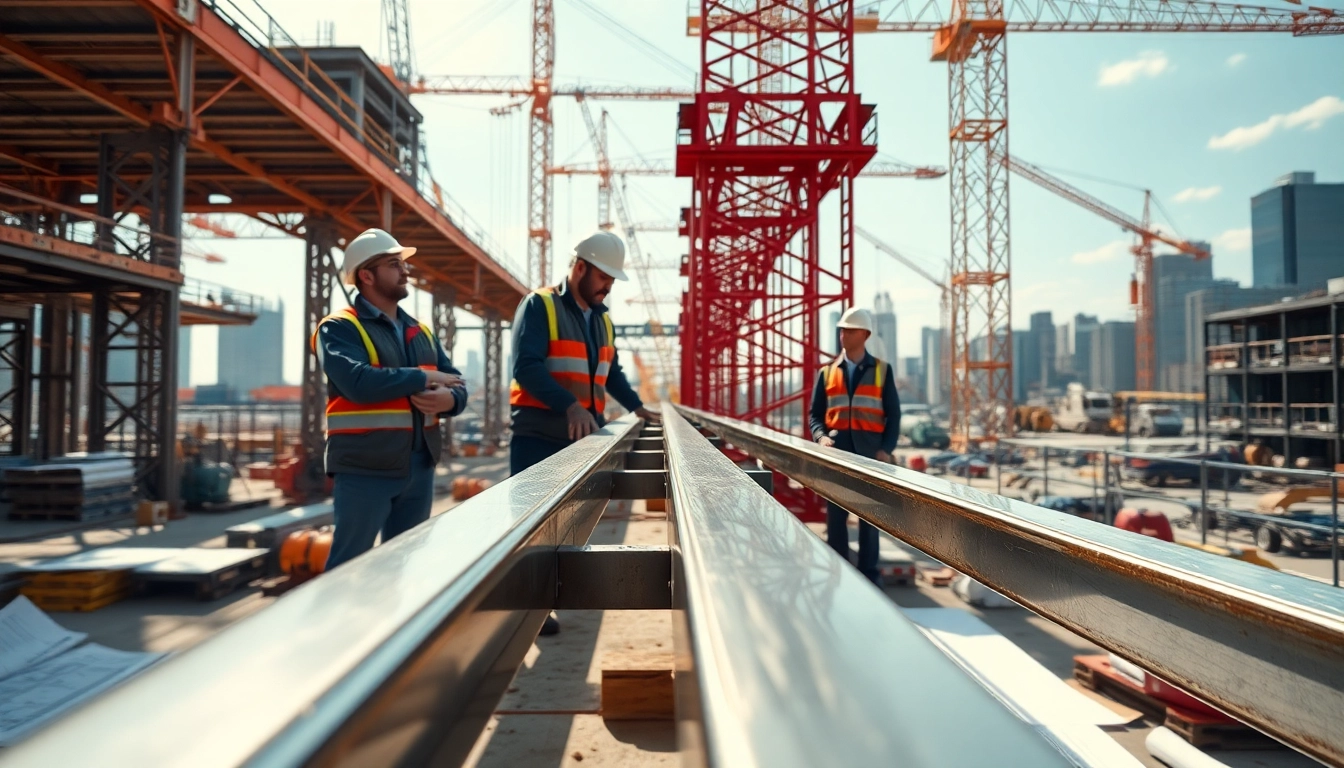
Structural steel installation is a crucial aspect of construction, involving the assembling and erecting of steel frameworks that provide the necessary support and stability to buildings and other infrastructures. This process encompasses a variety of tasks such as cutting, welding, bolting, and connecting steel members to create a solid structural skeleton. It is essential for ensuring that a building can withstand not only its weight but also external forces such as wind, seismic activity, and live loads.
The process involves meticulous planning and adherence to local building codes and standards. Proper structural steel installation guarantees safety and longevity while also contributing to the aesthetic appeal of the finished structure. For further information on the intricacies of structural steel installation, the several methods and processes involved, and the importance of quality materials and execution will be discussed in depth throughout this article.
Common Uses for Structural Steel
Structural steel is widely utilized across various sectors, making it a preferred choice for many construction projects. Its principal applications include:
- Commercial Buildings: High-rise offices, retail spaces, and industrial plants often rely on structural steel for their skeletal frameworks due to its high strength-to-weight ratio, which allows for taller and more resilient structures.
- Bridges: The robustness of structural steel makes it ideal for bridge construction, where it must endure extensive loads and atmospheric conditions.
- Residential Construction: Increasingly, residential developers are using structural steel to create open floor plans and large spans free of columns.
- Infrastructure Projects: Structural steel is vital in building essential infrastructure such as airports, schools, and hospitals, where safety and durability are paramount.
The Importance of Quality in Steel Fabrication
Quality in steel fabrication is non-negotiable. Superior fabrication techniques ensure that the steel components meet specific design criteria and can withstand the pressures and loads expected during their service life. Key benefits of high-quality steel fabrication include:
- Durability: High-quality materials minimize the risk of corrosion and failure.
- Precision: Accurate measurements and tolerances lead to better fitting and reduced installation issues, which can save time and costs.
- Compliance: Meeting industry standards and building codes is essential for the safety and legality of construction projects.
Key Techniques for Successful Installation
Preparation and Planning for Structural Steel Installation
Preparation is fundamental to successful structural steel installation. This phase typically involves:
- Site Assessment: Conducting a thorough analysis of the site where the installation will take place, including soil conditions and site access.
- Design Review: Evaluating and confirming structural designs and specifications as outlined in the engineering plans.
- Timeline Establishment: Creating a detailed project timeline that schedules key milestones and completion dates, allowing for proper resource allocation.
- Material Procurement: Ensuring that all necessary materials and equipment are available and meet quality standards before starting the installation process.
Tools and Equipment Needed
Effective structural steel installation requires specialized tools and equipment to ensure safety and accuracy during assembly. Common tools include:
- Welders: For connecting steel members through electric arc welding processes.
- Cranes: Large cranes are essential for lifting and positioning heavyweight steel assets at elevation.
- Forklifts and Hoists: Useful for moving smaller pieces of steel within the site.
- Measurement Tools: Levels, tape measures, and laser-guided tools for ensuring precision in alignment and fit.
Best Practices for Safety and Compliance
Safety in structural steel installation cannot be overemphasized. It is imperative to follow established safety guidelines to prevent accidents and injuries. Best practices include:
- Personal Protective Equipment (PPE): Ensuring that all team members are wearing suitable PPE such as helmets, gloves, and safety harnesses.
- Safety Protocols: Establishing protocols for equipment operation, fall protection, and emergency response.
- Training: Ongoing training programs for workers to remain updated on safety standards, technology, and installation techniques.
Challenges in Structural Steel Installation
Identifying Common Issues During the Process
Despite thorough preparation, structural steel installation is fraught with challenges that can lead to delays, budget overruns, and compromised quality. Common issues include:
- Material Defects: The presence of defects in steel can cause significant delays if discovered during installation.
- Weather Conditions: Adverse weather can hinder outdoor installations, impacting schedules.
- Site Accessibility: Restricted access due to location can complicate equipment maneuverability and material delivery.
How to Solve Installation Problems
When faced with challenges during steel installation, proactive problem-solving strategies can mitigate risks:
- Implementing Contingency Plans: Always have backup plans ready for unexpected situations such as bad weather or supply shortages.
- Regular Communication: Maintain open lines between engineering teams, safety officers, and installation crews to quickly address emerging issues.
- Quality Assurance Checks: Performing regular inspections of materials and workmanship to catch issues before they escalate.
The Role of Inspection and Quality Control
Inspection and quality control ensure that all components of the installation meet necessary specifications and structural integrity. Routine inspections focus on:
- Weld Quality: Assessing welds for consistency and strength.
- Dimensional Accuracy: Verifying that all structures comply with pre-defined tolerances.
- Environmental Compliance: Confirming adherence to environmental regulations and mitigation procedures.
Performance Metrics in Structural Steel Projects
Evaluating Project Success with KPIs
Key Performance Indicators (KPIs) are critical in assessing the success of structural steel installation projects. Some essential KPIs include:
- Schedule Adherence: Measuring whether the installation was completed on time.
- Cost Variance: Analyzing actual costs against budget projections to identify discrepancies.
- Safety Incident Rates: Monitoring incidents and near misses to evaluate safety performance throughout the project lifecycle.
Cost Management Strategies
Effective cost management is vital to ensure the profitability of structural steel projects. Strategies include:
- Budget Forecasting: Creating a comprehensive budget that accounts for materials, labor, and potential contingencies.
- Value Engineering: Assessing and proposing alternatives that maintain quality while reducing costs.
- Negotiating with Suppliers: Establishing partnerships with suppliers to secure better pricing on high-quality materials.
Time Efficiency and Project Scheduling
Time efficiency directly affects project costs and client satisfaction. Best practices include:
- Detailed Milestones: Setting realistic and precise milestones that set expectations and keep the team accountable.
- Utilizing Project Management Software: Employing tools that enable real-time tracking of progress and resource allocation.
- Flexibility in Schedule: Being prepared to adjust schedules in response to unforeseen delays or complications.
Case Studies and Real-World Applications
Innovative Structural Steel Installations Around the World
Throughout the globe, numerous projects exemplify innovative uses of structural steel. For instance, the Burj Khalifa in Dubai utilizes high-strength structural steel to create one of the tallest buildings in the world. Similarly, the Golden Gate Bridge showcases the beauty and creativity possible with structural steel, demonstrating not only strength but also aesthetic elegance.
Lessons Learned from Major Projects
Analyzing large-scale installations provides invaluable insights. One key lesson is the significance of thorough pre-construction planning. For example, the construction of the One World Trade Center highlighted the importance of incorporating advanced technology for design and safety, ultimately improving project outcomes.
Future Trends in Structural Steel Installation
The future of structural steel installation is poised for transformation with advancements in technology. Innovations such as 3D printing and modular construction may redefine how steel frameworks are designed and assembled. Additionally, sustainability initiatives are encouraging the adoption of recycled steel, which not only reduces environmental impact but can also lower costs.