Understanding Structural Steel Welding
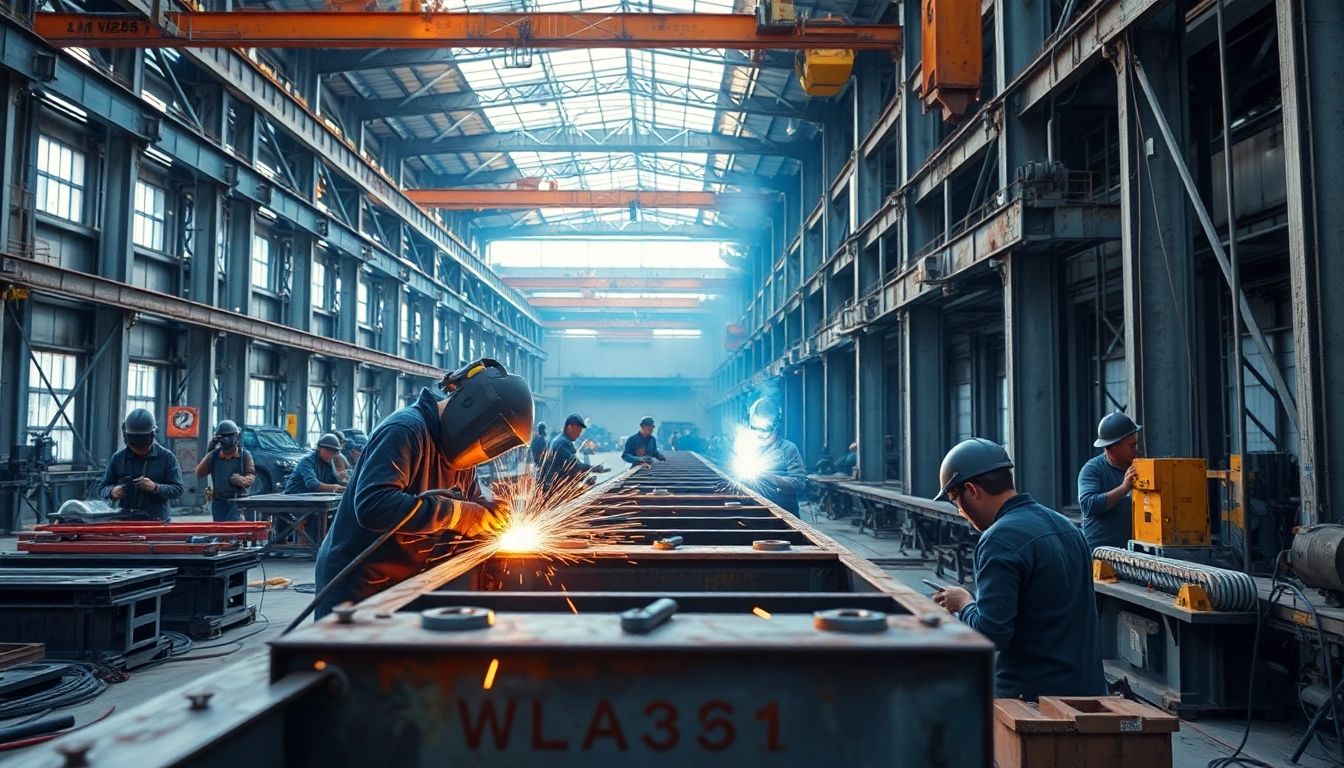
Structural steel welding is a critical process in the construction and manufacturing industries, ensuring the integrity and strength of various structures. It involves joining metal parts to create frameworks for buildings, bridges, and other infrastructures. This process not only reinforces the strength of the construction but also plays an essential role in meeting safety codes and standards. The importance of structural steel welding cannot be overstated, as it forms the backbone of many architectural projects.
Definition and Importance
Structural steel welding is defined as the procedure of fusing together pieces of steel or other metals using heat and pressure. The key objective is to ensure durable and robust joints that can withstand various stresses, including environmental factors such as wind and earthquakes. This welding process is vital in constructing stable infrastructures, making it fundamental to modern engineering.
Key Principles of Structural Steel Welding
The principles of structural steel welding revolve around heat application, filler material selection, and joint design. Proper heat input is critical as it helps in melting the base metal and the filler material without causing structural weaknesses. Moreover, the choice of filler material must match the base metal’s composition to ensure effective bonding. Additionally, joint design plays a significant role in distributing loads and stresses evenly across welds, which is crucial in maintaining overall structural integrity.
Common Applications in Construction
Structural steel welding finds its applications in various areas including but not limited to:
- Building Frameworks: Essential for creating the skeletons of commercial and residential buildings.
- Bridges: Used to connect steel beams and trusses, enabling the construction of strong and stable bridges.
- Pipelines: Facilitates the reliable joining of components in pipeline infrastructure, ensuring leak-proof delivery of liquids or gases.
- Manufacturing Equipment: Critical for assembling heavy machinery that requires solid structural supports.
Methods of Structural Steel Welding
Several methods are employed in structural steel welding, each suitable for different applications based on desired characteristics and requirements.
Shielded Metal Arc Welding (SMAW)
Shielded Metal Arc Welding, commonly known as stick welding, is one of the oldest and most versatile welding techniques. It involves striking an electric arc between a coated electrode and the workpiece. The heat generated melts both the electrode and the steel, creating a strong bond. SMAW is favored for its mobility and adaptability in various conditions, making it ideal for fieldwork.
Gas Metal Arc Welding (GMAW)
GMAW, also known as MIG (Metal Inert Gas) welding, employs a continuously fed wire electrode and a shielding gas to protect the weld pool from contaminants. This method is known for producing clean and high-quality welds with a faster process compared to SMAW. GMAW is commonly used in environments where speed is essential, such as in factories and workshops.
Flux-Cored Arc Welding (FCAW)
Flux-Cored Arc Welding combines aspects of both MIG and stick welding. It uses a tubular wire filled with flux to create a shielding gas upon heating. This method is particularly useful for outdoor applications, as it is less susceptible to wind and environmental conditions. FCAW is widely used in structural steel applications since it produces strong, high-quality welds.
Challenges in Structural Steel Welding
Despite its robust applications, structural steel welding presents several challenges that professionals must navigate to maintain quality and safety.
Material Preparation and Handling
Proper material preparation is crucial for successful welding. This includes cleaning the surfaces to be joined and ensuring that they are adequately fit-up. Any contaminants such as rust, oil, or dirt can affect the quality of the weld. Moreover, handling large steel components requires skilled labor and adequate equipment to prevent damage during transportation.
Environmental Considerations
Welding processes can be significantly affected by environmental factors such as temperature and humidity. For example, low temperatures can cause the welds to cool too quickly, leading to brittleness. Therefore, welding in adverse weather conditions demands specialized techniques and equipment to ensure consistency and quality in the finished welds.
Quality Control Measures
Quality control is essential in structural steel welding to meet safety standards and building codes. Regular inspections, including visual checks and non-destructive testing (NDT), are recommended to assess weld integrity. These procedures help identify potential issues before they escalate into serious problems, ensuring both safety and structural reliability.
Performance Standards in Structural Steel Welding
To ensure the highest quality and safety standards, industry-specific regulations and performance metrics guide structural steel welding practices worldwide.
Industry Regulations and Compliance
Industry regulations, such as those outlined by the American Welding Society (AWS) and the American Institute of Steel Construction (AISC), establish standards for welding procedures, materials, and personnel qualifications. Adhering to these regulations ensures that welds meet the required performance and safety specifications, fostering environmental sustainability and workforce protection.
Testing and Inspection Protocols
After welding, testing and inspection protocols are vital in verifying the quality of welds. Techniques such as Ultrasonic Testing (UT) and Radiographic Testing (RT) enable inspectors to detect internal defects that may compromise structural integrity. Additionally, adhesive testing can help ensure the weld meets both strength and durability requirements.
Certifications for Structural Welders
Professional certifications, such as Certified Welder (CW) and Certified Welding Inspector (CWI), validate the skills and knowledge of welders. These certifications reinforce the quality assurance of welding practices in the field by demonstrating adherence to industry standards and commitment to ongoing education and best practices.
Future Trends in Structural Steel Welding
The field of structural steel welding is evolving rapidly, driven by technological advancements and industry demands.
Technological Innovations
New technologies, such as robotics and artificial intelligence, are revolutionizing welding practices. Automation in welding processes enhances efficiency and precision, reducing human error while allowing for increased productivity. Furthermore, sophisticated software is being developed to optimize welding parameters, improving the overall quality of welds.
Impact of Automation
Automation is increasingly being integrated into welding environments. Robotic welding systems are capable of performing repetitive tasks with speed and consistency, which not only speeds up production times but also helps maintain high-quality standards. As the technology continues to advance, the demand for highly skilled welders who can operate and maintain these systems will grow.
Career Opportunities and Growth
As infrastructure projects expand globally, the need for skilled welders is expected to grow. Career prospects in structural steel welding remain strong, offering lucrative opportunities for graduates of welding programs and those who continue to develop their skills through hands-on experience and certifications.
Frequently Asked Questions
What type of welding is used for structural steel?
The most common welding types for structural steel are Shielded Metal Arc Welding (SMAW), Gas Metal Arc Welding (GMAW), and Flux-Cored Arc Welding (FCAW). Each method has its unique applications and benefits in different environments.
What does a structural steel welder do?
A structural steel welder is responsible for joining steel components to create structures like bridges and buildings. They cut, fit, and weld steel beams and may also work on maintenance and repair tasks on existing structures.
Is structural welding a good career?
Yes, structural welding offers excellent job security due to the ongoing demand for skilled tradespeople in construction and infrastructure projects. With continuous learning and certification, welders can advance their careers significantly.
Which is better, SMAW or GMAW?
Both SMAW and GMAW have advantages. SMAW is highly versatile for various positions, while GMAW provides cleaner welds and faster speeds. The choice often depends on the specific application and environmental conditions.
How can I ensure quality in my welds?
To ensure quality welds, follow industry standards for preparation, welding techniques, and post-weld inspections. Regular training, certifications, and adherence to guidelines can enhance overall weld quality and safety.