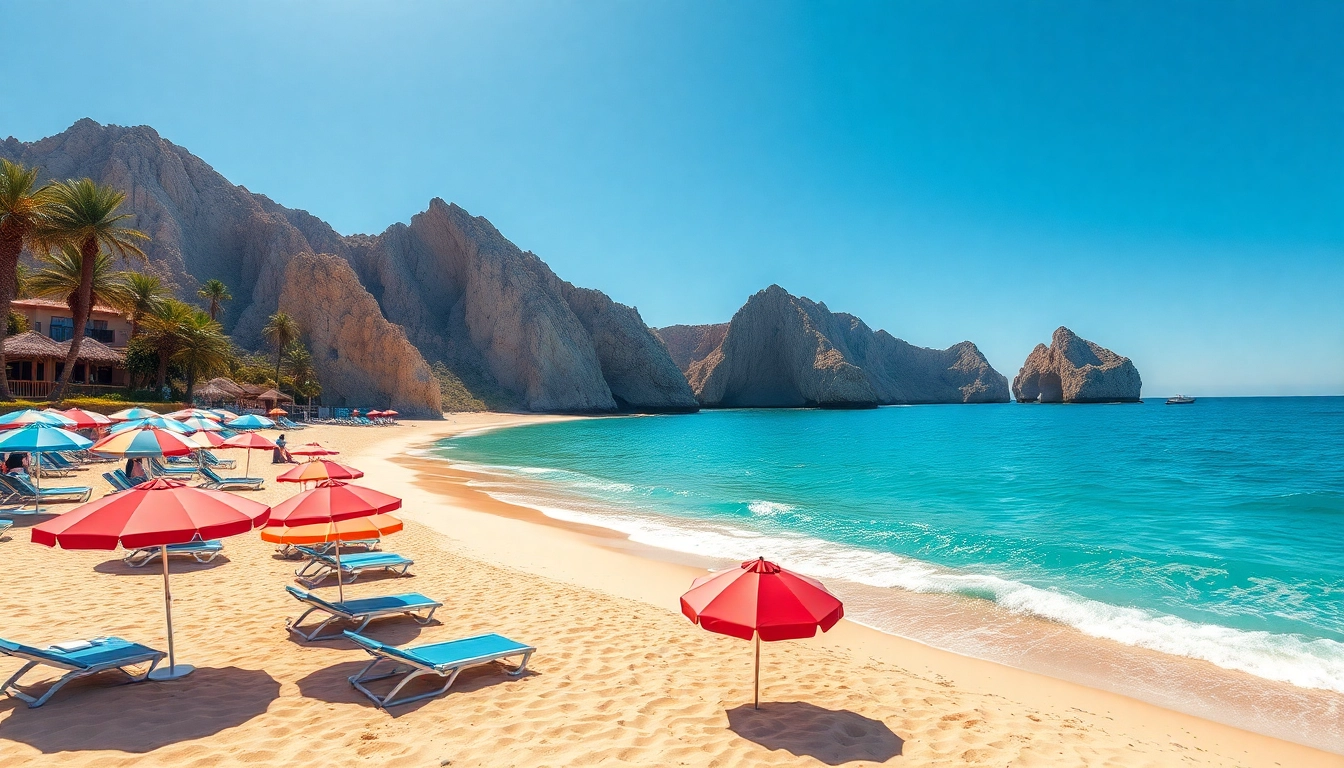
Choosing the ideal time for a getaway can significantly enhance your travel experience. If you're considering a trip to a stunning destination like Cabo San Lucas, understanding the Best time to visit Cabo is essential. Each season in Cabo presents unique weather patterns, events, and activities that cater to various preferences. Whether you're seeking sunny beach days or cultural festivities, this guide will provide you with a detailed overview to help you plan your perfect vacation.
Understanding Cabo's Climate and Weather Patterns
Seasonal Overview for Cabo
Cabo San Lucas, located at the southern tip of the Baja California Peninsula, enjoys a typical desert climate characterized by hot summers and mild winters. The area experiences two primary seasons: the dry season and the rainy season. The dry season spans from late fall through early spring, making it the peak tourist season, while the rainy season generally occurs between late summer and early fall.
Temperature and Precipitation Trends
Temperature trends in Cabo show a consistent pattern, with warm to hot temperatures throughout the year. The average temperature in winter hovers around 70°F (21°C), while summer can see highs reaching 90°F (32°C) or more. Precipitation is minimal during the dry season, averaging less than an inch per month, whereas the rainy season can lead to increased humidity and occasional thunderstorms, particularly from July to September. Understanding these patterns allows travelers to pack appropriately and plan activities that align with the climate.
Best time to visit Cabo for Ideal Weather
The ideal weather in Cabo typically occurs from December to April. During these months, visitors can expect comfortable daytime temperatures, sunny skies, and virtually no rainfall. This period not only offers perfect conditions for beach activities but also for exploring the natural beauty of the region. However, early December can still retain festival crowds, as the holiday season begins. To enjoy the best weather while avoiding crowds, January and February are often considered prime months for a visit.
Peak Tourist Seasons and Their Impacts
Advantages of Visiting During High Season
Traveling to Cabo during the high season, from December to April, provides several advantages. First, the weather conditions are perfect for outdoor activities and lounging by the beach. Second, many events and festivals occur during this time, offering visitors a unique taste of local culture. Third, numerous bars, restaurants, and accommodations are at full operational capacity, ensuring a vibrant and lively atmosphere. Tour guides and activities are readily available, providing a full experience of everything Cabo has to offer.
Disadvantages of the Crowded Months
Despite its advantages, visiting during the high season can also have its downsides. Expect larger crowds at popular attractions and beaches, often leading to longer wait times for dining and activities. Accommodation prices surge markedly, putting a strain on a travel budget, which may limit options for some travelers. Additionally, some tourists may find the bustling atmosphere overwhelming, especially if they seek a more tranquil retreat.
Best time to visit Cabo to Avoid Crowds
If your preference leans towards a quieter experience, consider visiting Cabo during the shoulder seasons, which are late April through June and September through October. During these periods, the weather remains pleasantly warm, but the number of visitors decreases significantly. This allows for a more relaxed experience with easier access to popular spots and lower accommodation prices. Additionally, local events and attractions are still accessible without the high season's hustle and bustle.
Events and Festivals: When to Experience Local Culture
Annual Events Not to Miss
Cabo San Lucas hosts several annual events that provide insight into the local culture and traditions. Noteworthy celebrations include the Baja 1000, a renowned off-road race that takes place in November, drawing motorsport enthusiasts from around the world. Additionally, the Cabo San Lucas Carnival, occurring in February or March, showcases vibrant parades, music, and local cuisine, transforming the streets into a colorful spectacle.
Best time to visit Cabo for Festive Activities
The best time to visit Cabo for festive activities is during the end of the year and the early part of the new year. The holiday season, especially around Christmas and New Year's, features numerous celebrations, including fireworks, live music, and traditional Mexican festivities. These cultural interactions provide tourists with an unforgettable taste of what Cabo offers beyond its picturesque scenery.
Impact of Events on Accommodation Prices
It’s important to note that the occurrence of major events generally leads to increased accommodation prices and a potential downward shift in availability. For example, during the Baja 1000, prices can soar due to the influx of visitors. To ensure you secure lodging at an appropriate price, consider booking well in advance and exploring options beyond traditional hotel stays, such as vacation rentals or boutique hotels that may offer better deals during these busy times.
Outdoor Activities and Attractions by Season
Best time to visit Cabo for Water Sports
For water sports enthusiasts, the best time to visit Cabo is from May to October when the ocean temperature averages between 75°F and 82°F (24°C and 28°C). This comfortable warm climate makes it ideal for activities such as snorkeling, scuba diving, paddleboarding, and fishing. The summer months also coincide with great whale watching opportunities, particularly from late June through early December. However, younger travelers should note that the waters can be a bit choppy during the peak of hurricane season in September.
Land Adventures Throughout the Year
Land activities in Cabo, such as hiking, desert safaris, and ATV tours, can be enjoyed year-round. However, the best months for these adventures are from October to April when temperatures are milder. Exploration of Cabo’s breathtaking landscapes, including the stunning Sierra de la Laguna Mountains, offers some gratifying hiking experiences devoid of the oppressive heat of summer. Additionally, spring brings blossoming flowers and refreshing views, enhancing outdoor experiences.
Cultural Tours: Seasonality Considerations
Cultural tours, including historical site visits and culinary experiences, are available throughout the year, but the most engaging experiences often occur during the high season due to the number of tourists and organized events. This time includes local artisan markets, music festivals, and art events that showcase the region's rich heritage. For a combination of pleasant weather and cultural exposure, aim for visiting during the shoulder months of early December or mid-March.
Travel Budgeting: Cost Comparisons by Season
Understanding Price Fluctuations Throughout the Year
When evaluating travel costs, there are marked fluctuations based on the season. High seasons see a steep increase in accommodation and activity prices, as demand peaks. Conversely, visitors can find great deals during off-peak times. Understanding these trends allows travelers to budget effectively and allocate funds for activities and dining more strategically. It’s also worthwhile to track the various deals or promotions available during the shoulder months when prices drop significantly.
Best time to visit Cabo for Budget Travelers
For budget travelers, the best time to visit Cabo would also align with the shoulder seasons. Traveling between late April and late June, or mid-September to early October offers visitors lower prices on accommodations and opportunities to engage in activities without overspending. In addition to reduced costs, these periods often feature discounts on tours and excursions, making it easier to experience the best Cabo has to offer while remaining within budget.
Making the Most of Your Travel Budget
Smart budgeting in Cabo requires flexibility and planning. Keeping an eye on travel packages that include airfare and accommodations can yield significant savings. Additionally, seeking out local eateries rather than tourist-centric spots can enhance the culinary experience without inflating costs. Moreover, opting for public transport or rental bicycles can help travelers experience the region's beauty without the hefty price tags that often accompany car rentals.