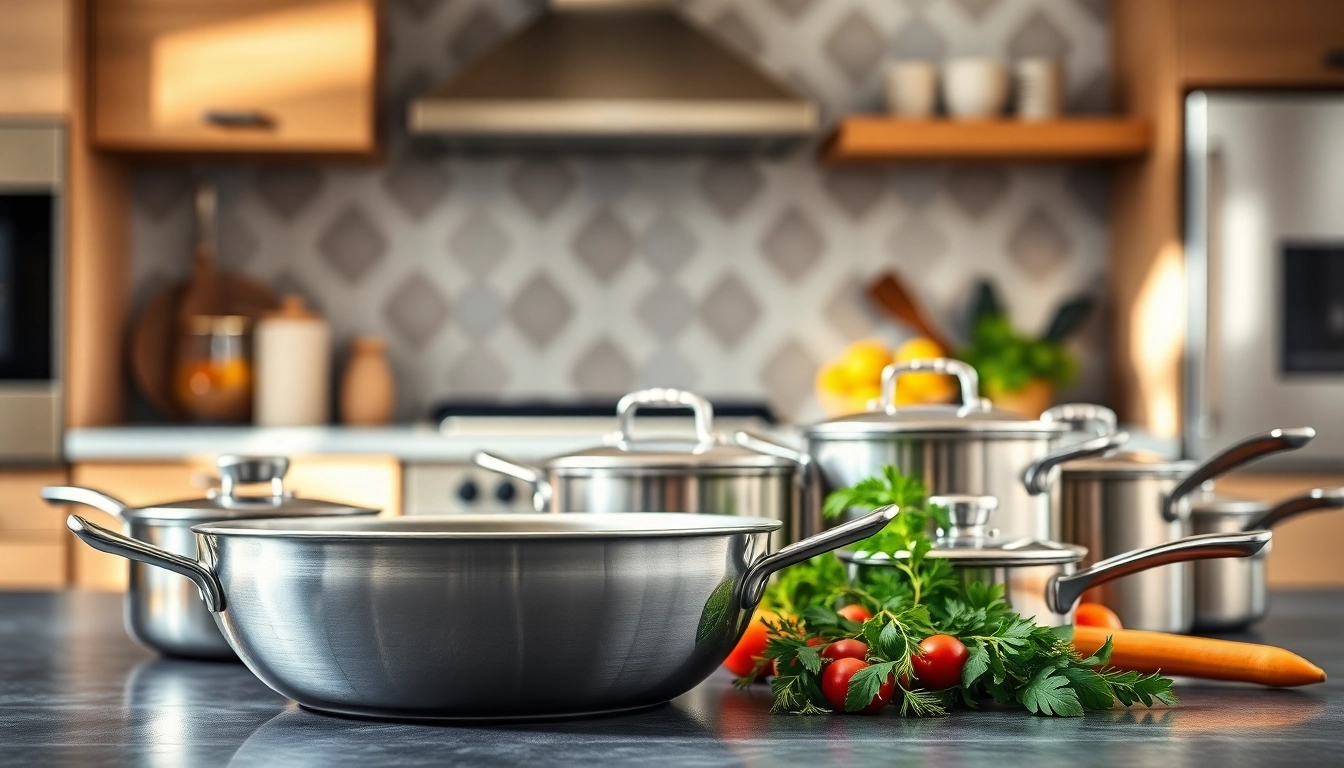
Understanding Cookware Types
Cookware is an essential part of any kitchen, playing a vital role in determining the efficiency and quality of cooking. Choosing the right cookware involves understanding the various types available, each designed for specific cooking methods and culinary needs. This guide will help you navigate through the diverse world of cookware, encompassing materials, designs, and intended functionalities.
Different Materials of Cookware
The variety of materials used in cookware can confuse those looking to make an informed choice. Here's a closer look at some common cookware materials:
- Stainless Steel: Renowned for its durability and resistance to staining, stainless steel cookware is ideal for browning and deglazing. It does not impart any flavors to food, making it perfect for many cooking tasks.
- Nonstick: Cooked food slides out with ease, making nonstick cookware popular for frying and preparing delicate dishes. However, care must be taken not to use metal utensils to avoid scratching the surface.
- Cast Iron: Known for excellent heat retention, cast iron is perfect for slow cooking and searing. It requires proper seasoning and maintenance to prevent rust and maintain its nonstick properties.
- Ceramic: Often touted as a non-toxic alternative, ceramic cookware offers nonstick performance and is usually free from harmful chemicals. It’s a colorful choice but may not be as durable as metal options.
- Carbon Steel: A hybrid of cast iron and stainless steel, carbon steel heats quickly and is versatile for everything from stir-frying to baking. Like cast iron, it requires periodic seasoning.
Choosing Nonstick vs. Traditional Cookware
Deciding between nonstick and traditional cookware depends on cooking styles and dietary needs. Nonstick cookware is ideal for low-fat cooking but can wear out faster due to scratches. Traditional cookware, particularly stainless steel and cast iron, provides longevity and durability with more challenging maintenance.
How Cookware Shapes Impact Cooking
The shape of cookware significantly influences cooking techniques. For instance, wider frying pans allow for better evaporation and browning, while deeper saucepans retain heat and moisture for simmering sauces. Understanding the geometry can enhance your culinary results.
Features to Look for in Quality Cookware
When selecting cookware, certain features stand out that can make a notable difference in your cooking experience:
Durability and Heat Resistance
High-quality materials often come with superior durability and heat resistance. Look for cookware that can withstand high temperatures without warping or degrading, ensuring a reliable performance over time.
Heat Distribution and Conductivity Standards
Even heat distribution is crucial for consistent cooking results. Cookware materials with good thermal conductivity, such as copper and aluminum, help in achieving evenly cooked food without hot spots.
Compatibility with Your Cooktop
Not all cookware is compatible with every cooking surface. For instance, induction cooktops require ferrous materials, such as cast iron or specific stainless steels. Verify the compatibility to ensure effective cooking.
Maintenance Tips for Longevity of Cookware
Proper care and maintenance can significantly extend the life of your cookware. Here are some practical tips:
Proper Cleaning Techniques by Material
Each material has specific cleaning requirements. For example, stainless steel can be cleaned with abrasive pads, while nonstick surfaces should be wiped gently with a soft sponge to preserve their coating. Avoid extreme temperature changes with glass or ceramic to prevent cracking.
Storage Solutions for Cookware
Proper storage reduces the risk of scratching or warping. Use a pot rack or separate drawer to arrange pots and pans without stacking them. Consider using protective padding between pieces to maintain their surfaces.
Seasoning and Care for Cast Iron Cookware
Seasoning cast iron cookware forms a protective layer. After cleaning, dry it thoroughly and apply a thin layer of vegetable oil, heating it slightly to create a natural nonstick surface. Regularly maintain this layer to boost performance.
Popular Cookware Brands and Recommendations
While many brands offer excellent cookware options, here are some general recommendations that cater to various needs:
Best Cookware Sets for Beginners
New cooks may benefit from starter sets that usually include essential pots and pans without overwhelming choices. Look for a versatile 10- or 12-piece set that accommodates various cooking needs.
Professional Cookware Choices for Chefs
Professional chefs often require cookware that withstands high use. Heavy-duty stainless steel and carbon steel pieces, which offer great durability and heat response, are ideal for comprehensive kitchen use.
Eco-Friendly Cookware Options
Eco-conscious consumers may prefer cookware crafted from sustainable materials such as ceramic or bamboo utensil sets. Seek options that are free from harmful chemicals, contributing to healthier cooking.
Frequently Asked Questions About Cookware
What is the best material for cookware?
The best material depends on your cooking habits. Stainless steel is versatile, cast iron excels in heat retention, and nonstick is great for low-fat cooking.
How do I properly care for nonstick cookware?
Use gentle cleaning methods, avoid high heat, and opt for non-metal utensils to preserve the coating, ensuring longevity.
What cookware can I use on an induction cooktop?
Cookware must be ferrous, so options like cast iron and specific stainless steel pieces work best on induction cooktops.
How often should I replace my cookware?
Generally, replace cookware when surfaces become scratched, warped, or stained, or if performance diminishes, especially with nonstick coatings.
Are expensive cookware brands worth the investment?
Higher-priced cookware often represents better quality, durability, and performance. If you cook frequently, investing can be beneficial.