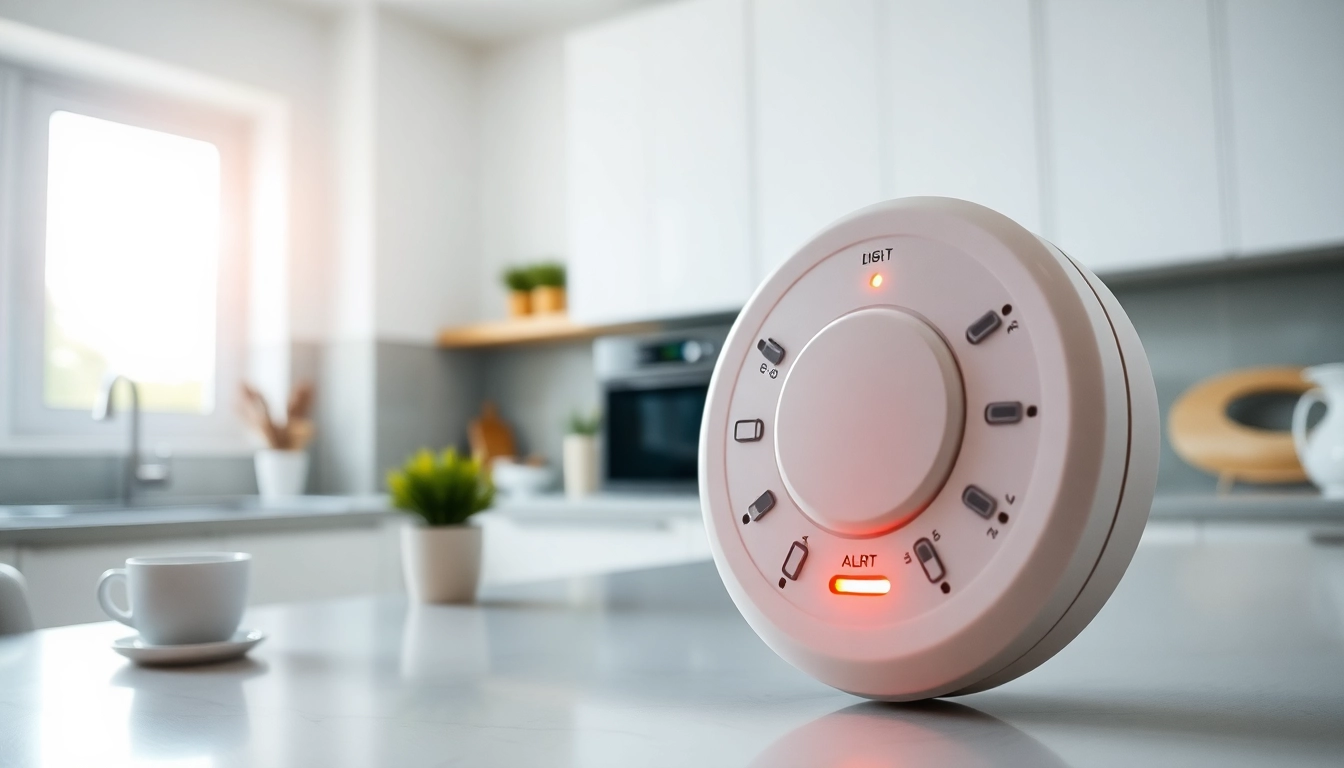
Introduction to Carbon Monoxide Detectors
Carbon monoxide (CO) is a silent threat that lurks in many homes without warning. This colorless, odorless gas is a byproduct of incomplete combustion from common household items like heaters, fireplaces, and even some cooking appliances. Given its stealthy nature, it’s crucial to have reliable mechanisms in place for detection. That’s where carbon monoxide detectors come into play—they are essential safety devices that can save lives. Understanding the mechanics of carbon monoxide detectors, their importance, and the reasons behind their beeping can significantly enhance your home safety measures. If you notice your carbon monoxide detector beeping, knowing what actions to take can prevent dangerous situations.
What is a Carbon Monoxide Detector?
A carbon monoxide detector is an electronic device designed to detect the presence of carbon monoxide gas in the environment. Often mounted on walls or ceilings, these detectors are equipped with sensors that rely on chemical or electronic mechanisms to sense CO levels. When elevated levels of carbon monoxide are detected, the alarm engages, alerting occupants to potential danger. The devices can be battery-operated or hardwired into the home’s electrical system.
How Do Carbon Monoxide Detectors Work?
Carbon monoxide detectors use various technologies to detect the presence of CO. The most common types integrated into homes include:
- Electrochemical sensors: These sensors employ chemical reactions to detect carbon monoxide levels. When CO interacts with the sensor, it results in a change of electrical current, triggering the alarm.
- Metal oxide semiconductor (MOS): This technology detects CO by measuring the change in resistance in a semiconductor material when gas is absorbed. The lower the resistance, the higher the concentration of CO, leading to alarm activation.
- Biomimetic sensors: These mimic the way hemoglobin in our blood binds to oxygen and carbon monoxide. The detector's gel changes color when CO is present, signaling the alert.
Each technology has its own range of sensitivity and operational characteristics, but all have the same fundamental goal: to alert you of dangerous levels of carbon monoxide.
Importance of Carbon Monoxide Detection
The significance of carbon monoxide detectors cannot be overstated. With hundreds of lives lost each year due to CO poisoning, having a functional detector is a critical line of defense. Early detection through these devices allows for timely evacuation and emergency response, potentially preventing fatal outcomes. Additionally, some insurance policies may require operational CO detectors for coverage, making installation not only a safety measure but also a financial necessity.
Reasons for Carbon Monoxide Detector Beeping
When a carbon monoxide detector begins beeping, it can indicate various issues. Understanding these reasons can help you respond appropriately and keep your home safe.
Low Battery Alerts and Troubleshooting
One of the most common reasons for a carbon monoxide detector to beep is a low battery warning. Many devices are designed to emit a chirping sound at regular intervals to notify you that battery replacement is necessary. Ignoring this alert can disable the detector, putting you at risk.
To troubleshoot, check the model of your detector and replace the batteries as directed by the manufacturer. A good practice is to replace batteries at least once a year, and performing regular checks on your detectors can help ensure they remain operational.
Faulty Detectors and Common Issues
Sometimes, the beeping can indicate a faulty detector or other technical issues. Common problems may include:
- Sensor malfunctions: Over time, the sensors within detectors can fail. If the unit is older than its lifespan (typically 5-7 years for battery-operated models), it may need to be replaced entirely.
- Environmental factors: High levels of humidity, dust, or even electrical interference can lead to false alarms or continuous beeping. Keeping the detector clean and in an appropriate environment helps.
If you've addressed the battery issue and suspect the detector is malfunctioning, consider replacing the unit. A non-functional carbon monoxide detector is worse than having none at all.
Carbon Monoxide Exposure and Alarm Responses
Beeping may also signify that carbon monoxide levels in your home are rising to dangerous levels. In these cases, the alarm typically emits a series of loud beeps:
- Continuous beeping may indicate immediate danger due to high CO levels.
- Intermittent chirps often suggest something less critical, such as low batteries.
If your alarm goes off rapidly, it’s imperative to take immediate action. Evacuate the premises and seek fresh air before contacting emergency services.
Action Steps When Your Detector Beeps
Understanding what to do when your carbon monoxide detector beeps is crucial for safety. Remaining calm and following precise steps can ensure everyone’s safety in your home.
Immediate Responses to Alarm Sounds
Upon hearing the alarm, your immediate instinct may be to investigate. However, caution is paramount. Here’s what to do:
- Evacuate the premises immediately, instructing all family members to leave.
- Do not return indoors until it is safe. Call 911 or your local emergency number from a safe location.
- If possible, have someone monitor the detector's readings and report them to the responding emergency personnel.
Remember that carbon monoxide is a silent killer, and prompt action can potentially save lives.
Safety Protocols to Follow
Establishing safety protocols before an emergency occurs can be invaluable. Consider the following steps as part of your CO safety plan:
- Make a family emergency plan that includes evacuation routes and a designated meeting area.
- Conduct regular drill sessions to ensure everyone knows how to respond.
- Educate family members about the signs of carbon monoxide poisoning—headache, dizziness, and nausea.
Having these protocols in place can prevent panic and confusion during an emergency situation.
When to Contact Professionals
If you experience persistent beeping or suspect carbon monoxide levels are rising despite taking precautionary measures, contacting a professional is vital. Trained technicians can:
- Perform tests to detect CO levels in your home.
- Evaluate your appliances to ensure they function correctly to reduce the risk of CO production.
- Advise on the best practices to implement in your home for safety compliance.
Professional assistance not only ensures your safety but also provides peace of mind regarding your home’s safety status.
Maintaining Your Carbon Monoxide Detector
Regular maintenance of your carbon monoxide detector is essential to ensure its functionality and reliability. Below are key maintenance practices to observe.
Regular Testing and Battery Replacement
Most manufacturers recommend testing your carbon monoxide detector once a month. This involves:
- Pressing the test button on the device to ensure it is operational.
- Checking the battery status and replacing batteries at least once a year or when the low battery indicator chirps.
Documenting testing dates can help establish a routine, ensuring your detector remains functional.
Cleaning Your Detector and Proper Placement
Cleaning your carbon monoxide detector is necessary to ensure dust and debris do not interfere with its sensors. Regularly wipe down the exterior with a damp cloth and avoid using any chemical cleaners. Additionally, monitor its placement. The detector should be installed in a central location, away from windows, doors, or area where ventilation can dilute CO concentration, such as near cooking appliances.
Lifespan of Your Detector and Replacement Guidelines
Most carbon monoxide detectors have a lifespan of about 5-7 years. Check the manufacture date on your device and adhere to these guidelines:
- Replace detectors that are older than the recommended lifespan, even if they appear to be functioning.
- Follow manufacturer instructions for disposal of old detectors to ensure environmental safety.
Being proactive about replacing aging detectors prevents potential equipment failure during critical times.
Best Practices for Home Safety
Incorporating best practices regarding carbon monoxide detectors can greatly enhance your home's safety. Consider these strategies to minimize risks and ensure peace of mind.
Installing Carbon Monoxide Detectors in Your Home
Proper placement of carbon monoxide detectors is crucial for effective detection. Follow these guidelines for installation:
- Install at least one detector on each level of your home, particularly near sleeping areas.
- Use multiple detectors in larger homes for adequate coverage.
- Consider models with interconnectivity, allowing alarms to notify all detectors and improve response time.
By following these installation practices, you can enhance your home’s safety from carbon monoxide threats.
Educating Family Members on Safety Procedures
Education is key when it comes to safety. Ensure that all family members understand:
- How carbon monoxide detectors work.
- The sounds and signals they should respond to.
- Evacuation routes and procedures in case of an alarm.
Regular discussions, drills, and educational materials can keep this important information top of mind for your family.
Monitoring Other Sources of Carbon Monoxide
Aside from having detectors, monitoring potential sources of carbon monoxide is critical. Regularly check and maintain your fuel-burning appliances, ensure they are installed by certified professionals, and schedule routine inspections. Awareness and maintenance of sources—such as furnaces, water heaters, and gas stoves—can reduce the risk of CO buildup in your home.