
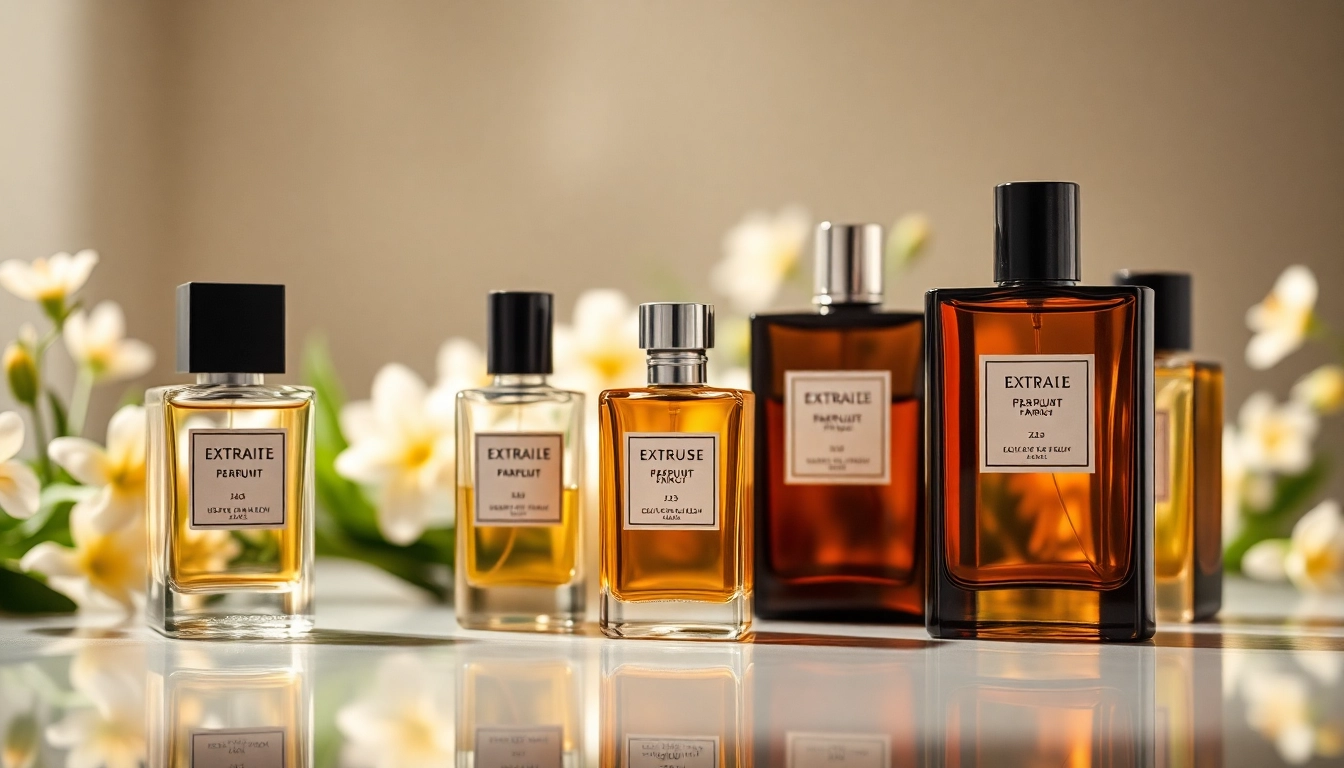
Introduction to Fragrance Types
Fragrance has long been a form of personal expression and a means of evoking emotions and memories. Among the multitude of scents available, Extrait de parfum vs eau de parfum are two of the most popular categories that perfume enthusiasts encounter. While both types offer distinct experiences, they differ significantly in terms of concentration, longevity, and scent profile. Understanding these differences can enhance your fragrance journey, allowing you to choose the right scent for any occasion.
What is Extrait de parfum?
Extrait de parfum, often referred to as pure perfume or parfum, is the highest concentration form of fragrance. Typically containing around 20% to 40% fragrance oil, it showcases a rich and complex scent profile. This concentration level allows the fragrance to develop fully over time, revealing its various notes in a nuanced manner. Extrait de parfum is designed to linger on the skin for an extended period, often lasting up to 12 hours or more, depending on various factors such as skin chemistry and the environment.
The luxurious nature of extrait de parfum makes it a preferred choice for special occasions and evening wear. Its intense scent profile often strikes a perfect balance between floral, woody, and oriental notes, providing a well-rounded sensory experience.
What is eau de parfum?
Eau de parfum (EDP) is another popular fragrance type, typically containing about 15% to 20% fragrance oils. Although slightly less concentrated than extrait de parfum, eau de parfum still delivers a rich and enticing scent experience while being more versatile for daily wear. The fragrance profile of eau de parfum often remains vibrant for about 4 to 8 hours, making it suitable for various occasions, from the office to casual outings or even formal events.
With its balanced formula, eau de parfum offers a great option for those who prefer a lighter scent that can be layered with other aromas. The mixture of notes, usually complemented with a dash of alcohol, allows for a refreshing, yet still luxurious experience.
Understanding fragrance compositions
The composition of fragrances plays a vital role in defining their character and charm. Both extrait de parfum and eau de parfum consist of three main layers, known as notes: top, middle (heart), and base. The top notes are what you initially smell when applying the fragrance, typically light and volatile, designed to give an immediate impression. The heart notes emerge after the top notes dissipate, forming the core of the fragrance, which lasts longer and deepens the scent experience. Lastly, the base notes provide longevity and depth, settling on the skin hours after application.
Understanding these components can assist you in selecting a fragrance that aligns with your preferences, allowing for a multidimensional scent experience. Knowing how a fragrance evolves also enhances appreciation for the complexity that goes into creating perfumes.
Key Differences Between Extrait de parfum vs eau de parfum
As we dive deeper into the differences between extrait de parfum and eau de parfum, it’s essential to focus on three main areas: concentration levels, longevity and sillage, and price considerations. Each of these factors significantly contributes to the overall experience with fragrance.
Concentration levels explained
The concentration of fragrance oils is a fundamental differentiator between extrait de parfum and eau de parfum. As noted earlier, extrait de parfum typically contains 20-40% fragrance oils, while eau de parfum contains approximately 15-20%. This difference in concentration leads to variations in intensity and scent longevity, with extrait de parfum often offering a more robust and opulent experience.
Higher concentration formulations are generally richer and can be perceived as more luxurious. For those who savor a bold scent that evolves gracefully, extrait de parfum may be the better choice. Conversely, individuals seeking a lighter fragrance for the day or casual wear may find eau de parfum serves their needs more effectively.
Longevity and sillage factors
Longevity – or how long a fragrance lasts on the skin – is a crucial factor that influences purchasing decisions. Extrait de parfum tends to last longer due to its higher concentration of perfume oils. Users can expect the scent to remain detectable throughout the day or evening. The powerful sillage, or the scent trail left behind, can also be impressive, enveloping the wearer in a luxurious bubble.
Eau de parfum, while still robust in longevity, may require more frequent reapplication, especially for those desiring a long-lasting fragrance throughout the day. Nevertheless, eau de parfum remains a strong performer and sufficient for most casual and professional settings.
Price considerations
Price often reflects the quality and concentration of fragrance ingredients used in production. Generally speaking, extrait de parfum commands a higher price due to its concentrated formulation and the luxurious nature of its ingredients. The meticulous crafting process and the use of premium raw materials further elevate its cost.
Eau de parfum, being less concentrated and often containing more alcohol, typically falls into a more affordable price range. Budget-conscious individuals may find eau de parfum to be a suitable option without compromising on scent quality. Importantly, when selecting a fragrance, consider not only the price but also the value it brings in terms of wearability and personal satisfaction.
Choosing the Right Fragrance for You
With an understanding of the differences between extrait de parfum and eau de parfum, the next step is to consider which option aligns best with your preferences and lifestyle. Here are several factors to keep in mind when selecting your ideal fragrance.
Identifying your fragrance needs
Your lifestyle plays a crucial role in identifying your fragrance needs. Consider scenarios such as work, casual outings, formal events, and date nights. If you prefer a scent that showcases your personality throughout the day without the need for constant reapplication, you may lean towards extrait de parfum. For regular day-to-day wear and a touch of freshness, eau de parfum could be more appropriate.
Moreover, individual skin chemistry can affect how a fragrance develops on your skin. Testing perfumes on your natural scent can help determine which formulation works best for you.
When to wear Extrait de parfum or eau de parfum
While both extrait de parfum and eau de parfum are versatile, there are subtle cues to guide your choices based on occasion. Extrait de parfum is often celebrated for evening wear, special occasions, or events where a more potent presence is desirable. Its opulence pairs well with formal attire or intimate gatherings, leaving a lasting impression.
Eau de parfum finds its place in casual or daytime settings, where a refreshing, light scent is appropriate. It’s ideal for activities like work, lunch with friends, or outdoor events, where you want to smell pleasant without overwhelming those around you.
Layering fragrances for unique scents
Fragrance layering is an emerging trend allowing individuals to create unique scent profiles that reflect their individuality. Combining the rich warmth of an extrait de parfum with the lighter freshness of an eau de parfum can result in a harmonious blend that captures both complexity and accessibility.
For the layered approach, consider a lightweight eau de parfum as your base layer, applying it to pulse points. Then, add a few dabs of extrait de parfum on top, focusing on areas with more heat, such as neck, wrists, and behind the ears. This technique not only personalizes your fragrance but also enhances the overall scent profile, creating a captivating allure that is uniquely yours.
Best Practices for Storing Fragrances
Proper storage of your fragrances plays an essential role in preserving their quality and longevity. Light, heat, and humidity can all compromise a fragrance’s integrity, thus it’s critical to understand the best practices for storage.
Optimal storage conditions
Fragrances should be stored in a cool, dark environment away from direct sunlight. A temperature-controlled setting is ideal, as shifts in temperature can alter the fragrance composition. Consider keeping your fragrances in their original boxes or in a dedicated fragrance cabinet to shield them from environmental factors that could lead to deterioration.
Understanding shelf life
While many fragrances can last for several years, they don’t last indefinitely. Generally, extrait de parfum exhibits a longer shelf life due to its higher concentration of oils. However, eau de parfum can gradually degrade if not stored correctly or if it has been open for extensive periods. Always check for changes in scent, color, or consistency when considering the usability of older perfumes.
Preserving scent integrity
To maintain the integrity of your fragrance, avoid exposure to air and regular temperature variations by limiting how often you open and close the bottle. Opting for roll-on or spray-nozzle bottles can further reduce exposure to oxygen. Additionally, utilizing smaller bottles for travel or daily wear can limit the overall handling of your primary fragrance collection, safeguarding its longevity and quality.
FAQs about Extrait de parfum vs eau de parfum
How long does Extrait de parfum last?
Extrait de parfum can last up to 12 hours or more on the skin. Its high concentration of fragrance oils contributes to this longevity, making it ideal for special occasions.
Can you layer Extrait de parfum with scents?
Yes, layering extrait de parfum with lighter fragrances, like eau de parfum, can create a personalized and unique scent combination that enhances your experience.
Is eau de parfum suitable for all occasions?
Yes, eau de parfum is versatile and suitable for various occasions, from casual day outings to formal events, depending on the fragrance notes used.
What makes Extrait de parfum more expensive?
Extrait de parfum is generally more expensive due to its higher concentration of fragrance oils, premium ingredients, and the artisanal craftsmanship involved in its creation.
How to select a fragrance based on the seasons?
Choose fresh, light scents for spring and summer, while opting for deeper, richer fragrances like extrait de parfum in fall and winter to complement the season’s atmosphere.